Immune Support.
6 peptides, ranked.
Immune Support is the directionality layer of the Blueprint: immune resilience, inflammatory tone, autoimmunity boundaries, mucosal and gut-immune context, post-infection recovery, stress and sleep triggers, and red-flag triage. Each candidate was evaluated against your BioProfile, training load, and declared contraindications. The strongest matches sit at the top; secondary options remain visible for comparison.
Immune Support foundation - before peptides
Immune Support does not mean boosting immunity. A weak or slow immune pattern and a hyperactive or autoimmune pattern can point in opposite directions. This niche organizes peptides as education about immune directionality, inflammation, mucosa, stress, sleep, and recovery, not as substitutes for diagnosis, immune treatment, vaccines, antimicrobials, or medical care.
- Clarify immune direction first: weak/slow, hyperactive/autoimmune, post-viral recovery, mucosal/gut-immune, stress-triggered, sleep-triggered, or unclear.
- Map infection pattern: frequent colds, influenza-like illness, herpes, UTIs, pneumonias, opportunistic infections, recovery time, and post-infectious fatigue.
- Map hyperactive context: diagnosed autoimmune disease, suspected autoimmune pattern, flares, rashes, joint symptoms, thyroid/Hashimoto context, and inflammatory labs.
- Review mucosal and gut-immune signals: bloating, reflux, food triggers, gut-skin overlap, oral/genital mucosa symptoms, and barrier concerns.
- Review sleep, stress, vitamin D, CBC, hs-CRP, ferritin, B12, medications, steroids, immunosuppressants, biologics, and cancer history.
- Keep the difference visible: support, modulation, antimicrobial defense, and inflammation calming are not the same intervention.
Immune red flags - when this is not a peptide question
Some immune patterns require medical investigation before peptide matching. This section is not meant to alarm the reader; it marks the situations where diagnosis, infectious-disease care, immunology, oncology, or urgent evaluation comes first.
- Persistent fever, unexplained weight loss, night sweats, persistent swollen lymph nodes, or unexplained systemic decline.
- Recurrent serious infections, recurrent pneumonia, recurrent UTIs, opportunistic infections, or persistent candidiasis.
- Neutropenia, leukopenia, abnormal CBC, severe anemia, very abnormal inflammatory markers, or unresolved immune lab abnormalities.
- Active autoimmune flare, systemic rash, severe allergic reaction, anaphylaxis, or use of steroids, immunosuppressants, or biologics.
- Chest pain, shortness of breath, syncope, major functional decline after infection, severe Long COVID pattern, or new neurologic symptoms.
- Active cancer, ongoing oncology investigation, pregnancy, lactation, or any situation where immune treatment should be clinician-led.
Ranked list
| Rank | Peptide | Match | Evidence | Regimen | |
|---|---|---|---|---|---|
| 01 | 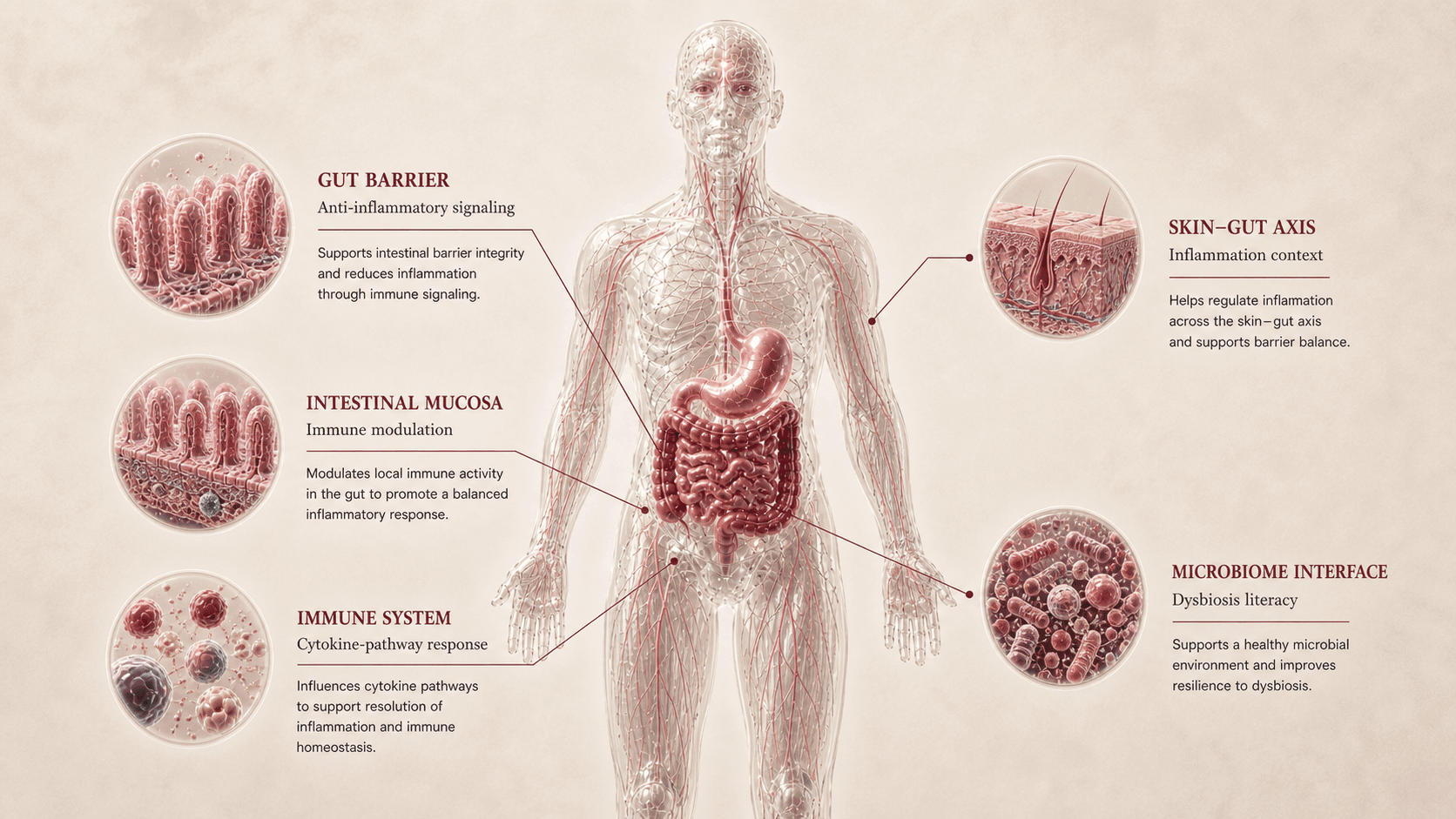 KPV lys-pro-val - alpha-msh fragment | 84 | xCresearch only | oral - no protocol timeline | View |
| 02 | 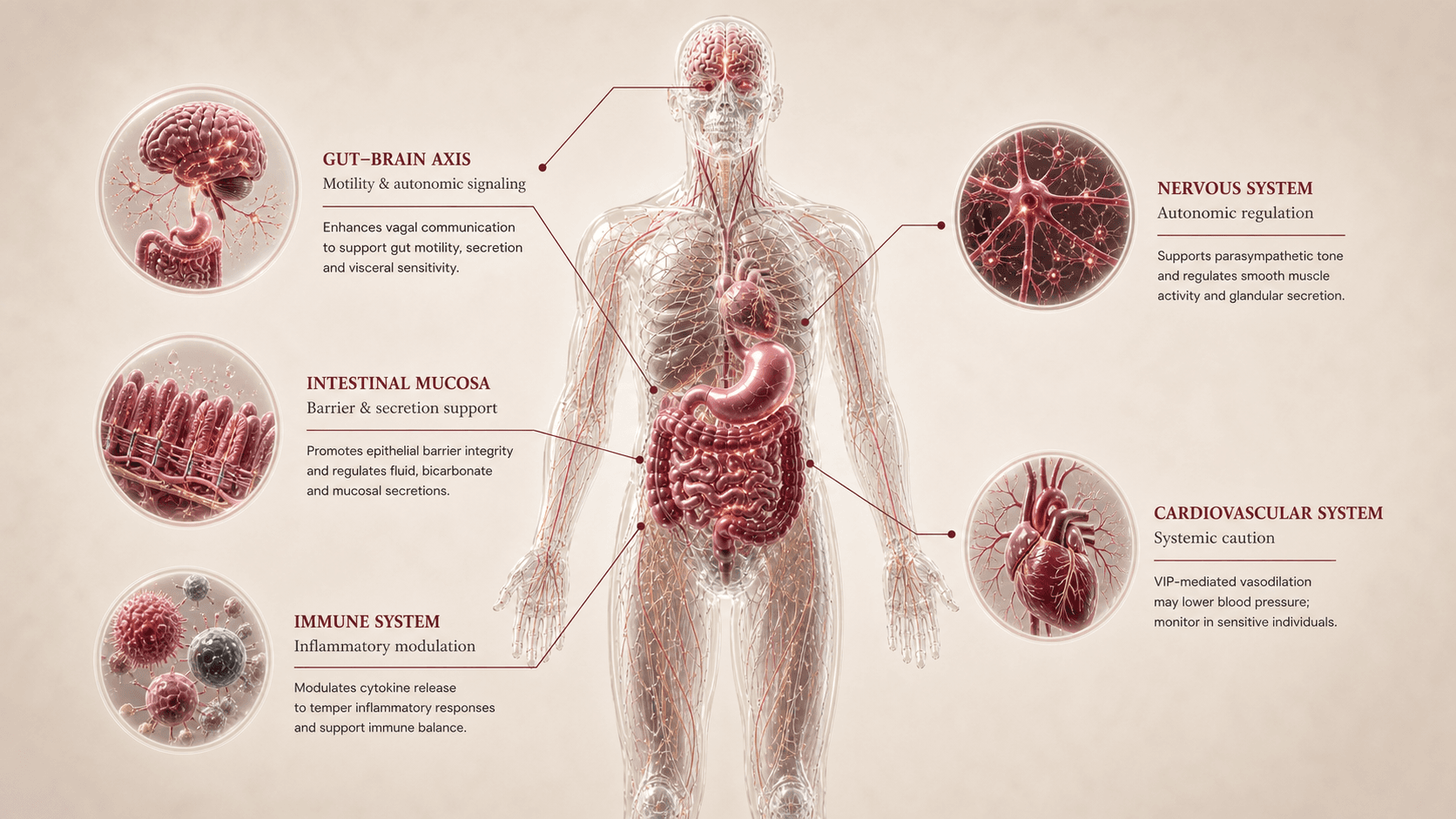 VIP vasoactive intestinal peptide | 80 | xCresearch only | intranasal - no protocol timeline | View |
| 03 | 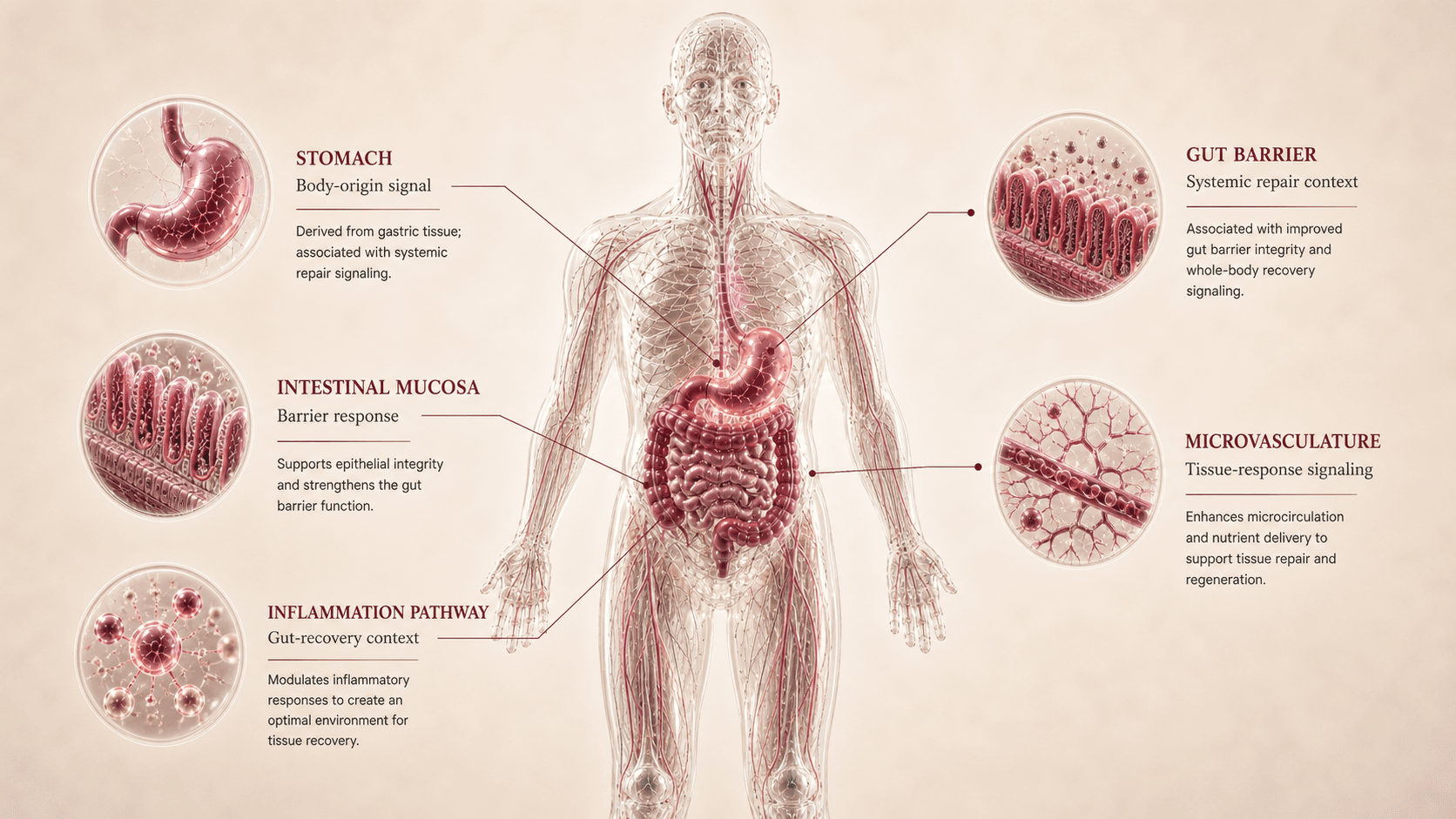 BPC-157 body protection compound 157 - bepecin | 76 | ~B-research only | subcutaneous - no protocol timeline | View |
| 04 | 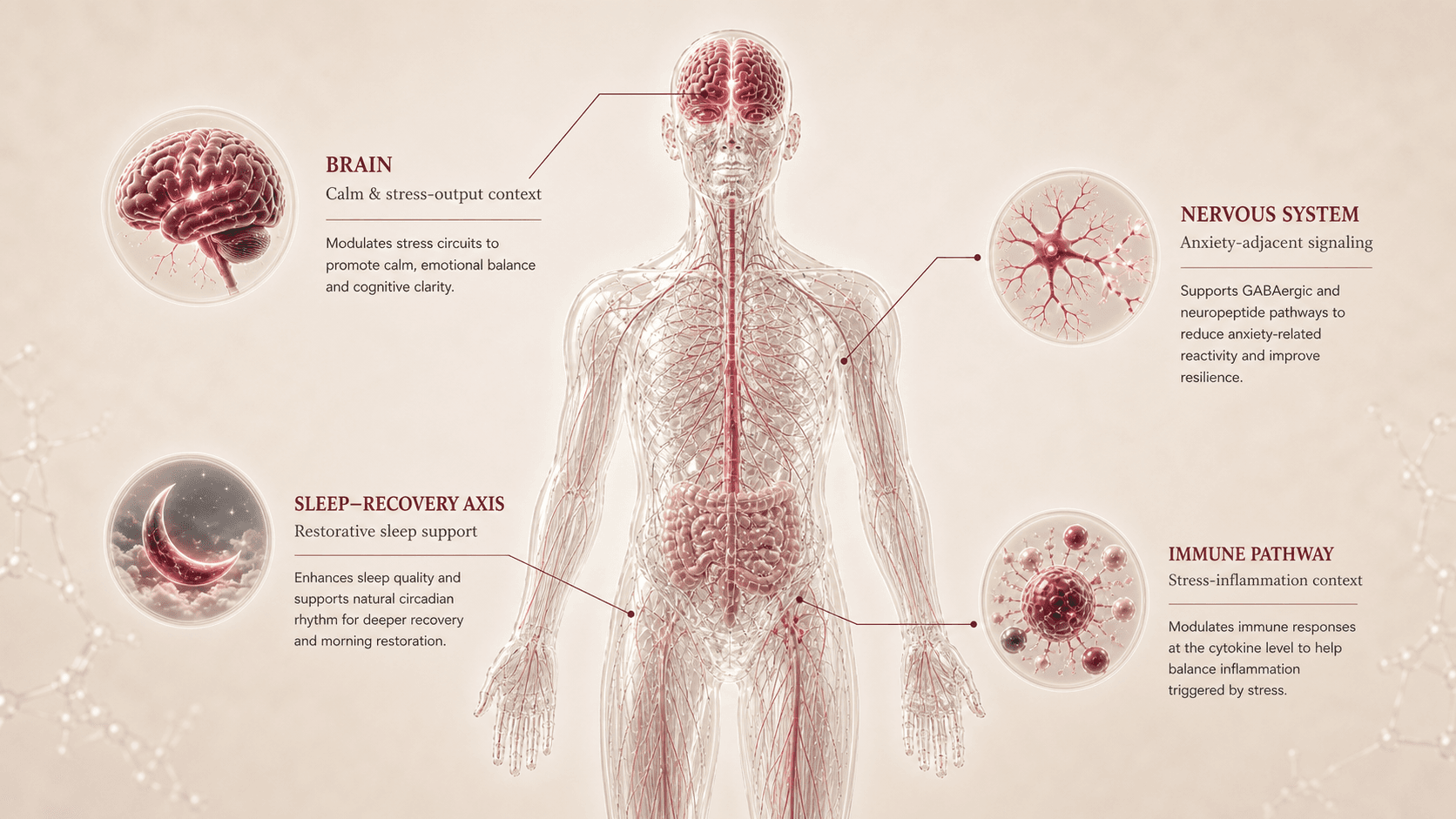 Selank tp-7 | 72 | xCresearch only | intranasal - no protocol timeline | View |
| 05 | 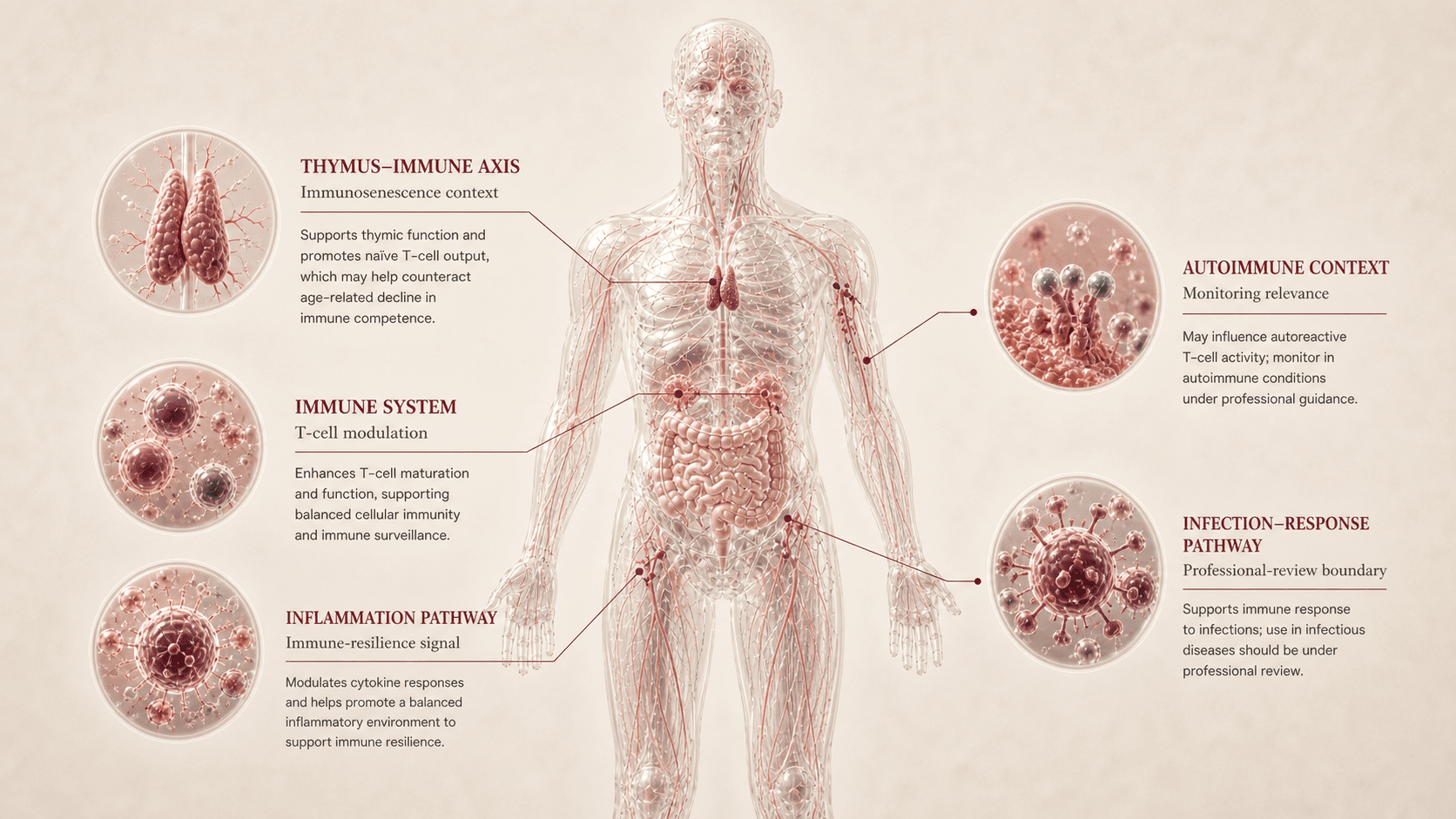 Thymosin Alpha-1 ta-1 - talpha1 - zadaxin | 69 | ~B-research only | subcutaneous - no protocol timeline | View |
| 06 | 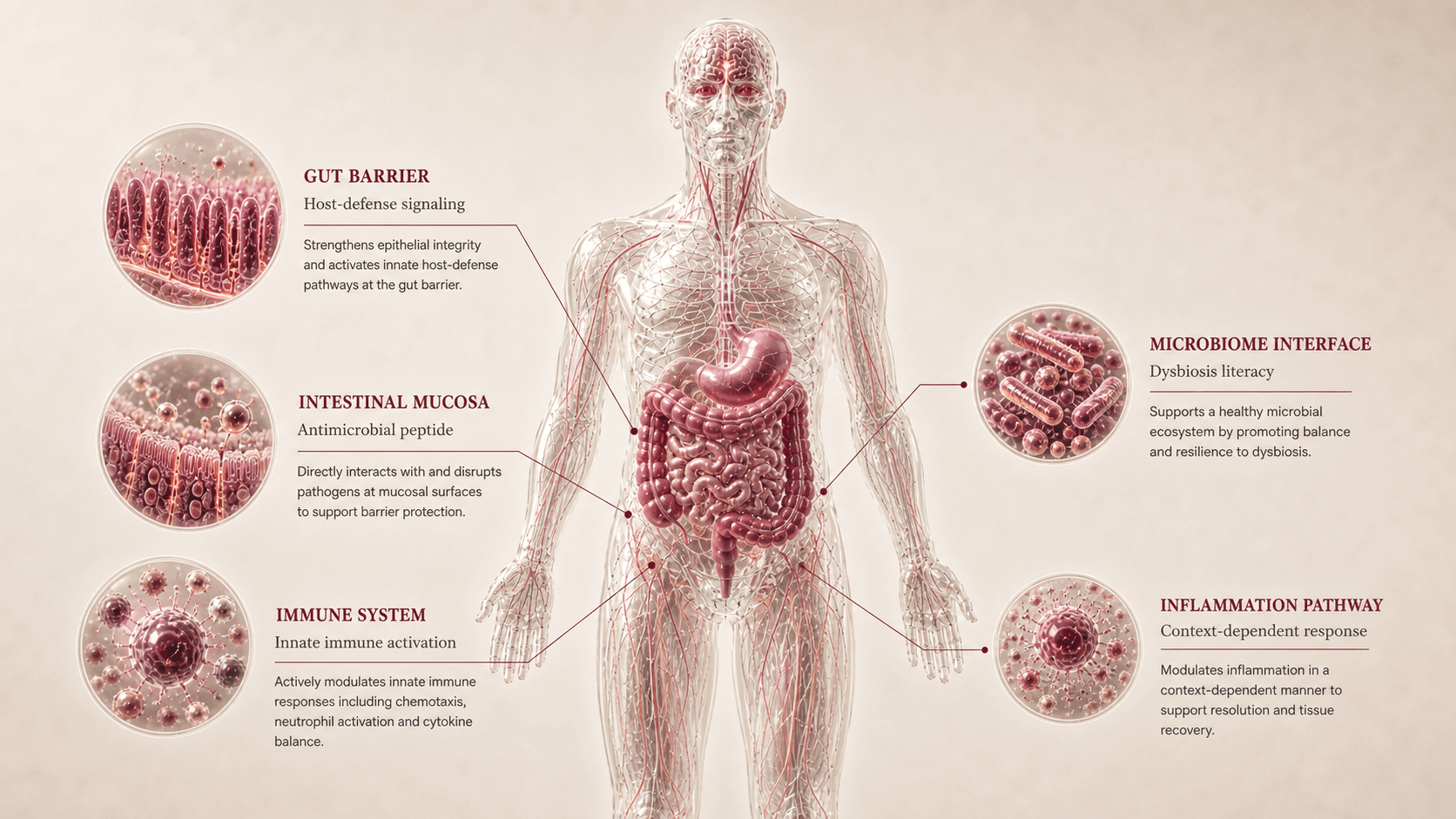 LL-37 cathelicidin ll-37 - hcap-18 fragment | 64 | xCresearch only | subcutaneous - no protocol timeline | View |
Immune Support comparison matrix
| Peptide | Regulatory anchor | Mechanism | Primary immune role | Evidence maturity | Readiness | Watchout | Takeaway |
|---|---|---|---|---|---|---|---|
KPV kpv | FDA safety-risk context for KPV plus melanocortin/PepT1 gut-immune inflammation literature. | Melanocortin-derived anti-inflammatory / gut-immune signaling. | Hyperactive / inflammatory / gut-immune direction. Anti-inflammatory gut-immune and mucosal-inflammation literacy. | Mechanistic and preclinical immune/gut-inflammation signal; limited direct human immune-support outcomes. | Low/moderate; research-sensitive and not an autoimmune, Crohn's, colitis, or Hashimoto treatment plan. | Not a treatment for autoimmune disease or IBD; infection, immunosuppression, and diagnostic context matter. | Best read as inflammation-direction literacy when the pattern looks irritated, mucosal, or autoimmune-adjacent. |
VIP vip | VIP neuroimmune, enteric nervous system, inflammation, and autoimmunity review literature; no broad immune-support label. | Neuropeptide / vasoactive / enteric and immune signaling. | Neuroimmune / hyperinflammatory / gut-brain direction. Neuroimmune, mucosal, gut-brain, and stress-inflammation literacy. | Mechanistic immune and autoimmunity literature exists; consumer immune-support outcomes are limited and context-specific. | Low; systemic and vasoactive effects make it a high-caution education topic. | Vasoactive and systemic effects, blood pressure context, cardiovascular review, and professional oversight. | Relevant when immune symptoms sit near gut-brain, stress, mucosal, or hyperinflammatory patterns, but not casual wellness. |
BPC-157 bpc-157 | FDA safety-risk compounding context for BPC-157 plus gut mucosa, barrier, and recovery literature. | Mucosal protection / tissue-repair / inflammatory-modulation hypotheses. | Gut-immune / mucosal barrier / recovery-inflammation overlap. Gut-immune, mucosal barrier, recovery difficulty, and inflammatory tissue context. | Mechanistic and preclinical gut/recovery interest; limited human immune-support outcomes. | Low/moderate; research-sensitive with source-quality uncertainty and no immune-support label. | Not an immune booster and not a substitute for diagnosis, infection evaluation, gut workup, or recovery care. | Useful when immune questions overlap with gut barrier, mucosa, and recovery friction, but not a primary immune treatment. |
Selank selank | Selank neuroimmune, stress, anxiolytic/nootropic context from regional literature; no broad immune-support label. | Neuropeptide / anxiolytic-nootropic / stress and neuroimmune context. | Stress-immune / HPA-axis / sleep-stress support direction. Stress-triggered immune vulnerability, HPA-axis, anxiety, and sleep-immune literacy. | Regional and mechanism-led neuroimmune/stress literature; limited direct immune-support outcomes. | Low/moderate as a secondary context; not a primary immune disease peptide. | Should not replace mental-health care, sleep care, infection workup, or immune disease management. | Relevant when stress and sleep appear to modulate immune symptoms, but secondary to the immune direction itself. |
Thymosin Alpha-1 thymosin-alpha-1 | FDA safety-risk compounding page for thymosin-alpha 1 plus immune-modulation and viral/hepatic/oncology-adjacent literature. | Immune modulation / T-cell / innate-adaptive signaling. | Weak/slow immune branch and immune-readiness anchor. T-cell context, immune resilience, frequent infections, post-viral and vaccine-response literacy. | Stronger human immune-context literature than most wellness peptides, but not broad immune-wellness evidence. | Low/moderate; jurisdiction-specific clinical history exists, but no broad US immune-support label. | Autoimmunity, Hashimoto, biologics, immunosuppressants, cancer history, and infection context decide directionality. | The niche's immune-readiness anchor, but not automatically the top match when the pattern looks hyperactive or autoimmune. |
LL-37 ll-37 | FDA safety-risk context for cathelicidin LL-37 plus innate host-defense and antimicrobial peptide literature. | Antimicrobial host-defense peptide / innate immune and barrier context. | Innate defense / antimicrobial / mucosal-defense direction. Innate immunity, antimicrobial peptide, skin/mucosal barrier, and host-defense literacy. | Mechanistic innate-defense and mucosal-barrier interest; early/limited for consumer immune-support outcomes. | Low; research-only antimicrobial peptide context, not infection treatment. | Not an antibiotic, antiviral, SIBO treatment, or infection protocol; antimicrobial effects are context-dependent. | Important for innate-defense literacy, but lower fit when recurrent infection is not the dominant pattern. |
MOTS-c mots-c | Adjacent mitochondrial/metabolic comparator; no immune-support label. | Mitochondrial-derived peptide / AMPK / metabolic stress signaling. | Post-viral fatigue, mitochondrial-immune, and metabolic resilience comparator. | Mechanistic mitochondrial and metabolic plausibility; early/limited immune-support outcomes. | Low/moderate; belongs mainly to Longevity/metabolic context. | Should not be made a core immune peptide when infection or autoimmunity is the question. | Useful when fatigue and mitochondrial recovery dominate the immune story. |
TB-500 / Thymosin Beta-4 fragment tb-500 | Recovery-oriented thymosin-family comparator with FDA safety-risk compounding caution. | Thymosin beta-4 fragment / tissue remodeling / recovery overlap. | Wound, repair, and thymosin-family immune-overlap comparator. | Mechanistic recovery interest; weak as direct immune-support evidence. | Low; recovery context and identity clarity matter. | Fragment identity, anti-doping, source quality, and blend marketing. | A cross-link to Recovery & Healing, not an immune-support lead. |
GHK-Cu ghk-cu | Skin/recovery/tissue-aging cross-link; injectable compounding has FDA safety-risk caution. | Copper peptide / collagen / skin and wound biology. | Skin, wound, mucosal-barrier, and tissue-quality cross-link. | Useful for barrier and tissue-quality literacy; not a direct immune-support lead. | Medium/low depending on route and formulation. | Barrier and wound biology should not become immune-system overclaiming. | Belongs mainly to Skin/Recovery, with Immune Support as a barrier cross-reference. |
Immune Support Combination & Overlap Map
| Combination | Components | Type | Why it appears | Peptivius read | Main caution | Status |
|---|---|---|---|---|---|---|
Thymosin Alpha-1 + Vitamin D / vaccine-response context | TA1 + vitamin D / immune-readiness foundation | Immune readiness context | Users connect TA1 with weak immunity, vaccine response, and basic immune nutrients. | Educational support context, not a stack recommendation. | Vitamin D status matters, but TA1 is not a generic immune booster. | Support context / professional review |
Thymosin Alpha-1 + autoimmunity | TA1 + autoimmune context | Directionality caution | TA1 is a famous immune peptide, so users may assume it fits every immune problem. | TA1 may point the wrong direction when the pattern is hyperactive or autoimmune. | Hashimoto, autoimmune disease, biologics, immunosuppressants, steroids, and cancer history. | Caution / not automatic |
KPV + VIP | KPV + VIP | Hyperinflammatory / neuroimmune branch | Users connect gut-immune inflammation with neuroimmune and gut-brain patterns. | Conceptual overlap only; not an autoimmune protocol. | VIP vasoactive/systemic caution and limited combination evidence. | Professional review / not casual |
LL-37 + BPC-157 | LL-37 + BPC-157 | Mucosal defense + gut-immune overlap | Attractive in mucosal, gut, dysbiosis, infection, or barrier narratives. | Explains why users combine defense and barrier logic, not an infection or gut protocol. | Antimicrobial peptide logic is not infection treatment; attribution and diagnosis matter. | High caution / diagnostic workup first |
Selank + sleep/stress foundation | Selank + sleep and stress support | Stress-immune support | Stress and sleep disruption can alter immune resilience and flares. | Stress-immune literacy, not a mental-health or sleep-care replacement. | Do not bypass mental-health care, sleep evaluation, or immune workup. | Support foundation |
MOTS-c + post-viral fatigue | MOTS-c + post-viral fatigue context | Mitochondrial-immune overlap | Post-infectious fatigue often pulls mitochondrial and metabolic resilience into the immune conversation. | Useful adjacent comparator when fatigue dominates the story. | Belongs partly to Longevity/metabolic context and is not an immune treatment. | Adjacent comparator |
TA1 + KPV / VIP | Immune-readiness peptide + anti-inflammatory/neuroimmune peptides | Stimulation + calming overlap | Users assume boost plus calm creates balance. | Not automatically balanced; mechanisms can point in different directions. | Autoimmunity, immunosuppression, infection context, and unclear attribution. | Do not treat as stack |
Peptides + vaccines / antibiotics / antivirals / autoimmune care | Not a peptide blend | Standard care boundary | Immune symptoms often involve infection prevention, infection treatment, or autoimmune management. | Peptides do not replace standard immune care. | Delaying appropriate care can be harmful. | Medical-care foundation |
Frequent questions about Immune Support peptides
Does Immune Support mean boosting immunity?
No. The first question is direction. Weak/slow, hyperactive/autoimmune, post-viral, mucosal, stress-linked, and sleep-linked patterns should not be framed the same way.
How do I know if my immune pattern is weak or hyperactive?
Weak patterns tend to involve frequent infections or slow recovery. Hyperactive patterns involve autoimmune disease, flares, chronic inflammation, rashes, joint/mucosal symptoms, or inflammatory labs. A clinician should interpret unclear or severe patterns.
Why is Thymosin Alpha-1 not always the top match?
TA1 is a strong immune-readiness anchor, but it may not be the right direction when the file looks autoimmune or hyperinflammatory. For Ana, Hashimoto lowers the score despite TA1's broader immune relevance.
Where do KPV and VIP fit?
KPV fits the anti-inflammatory gut-immune lane. VIP fits neuroimmune, gut-brain, vasoactive, and hyperinflammatory context. Neither is presented as autoimmune treatment.
Is LL-37 an infection treatment?
No. LL-37 is included for innate-defense and antimicrobial peptide literacy. It does not replace antibiotics, antivirals, vaccines, diagnosis, or infectious-disease care.
Is BPC-157 an immune peptide?
Not primarily. It appears in Immune Support because gut barrier, mucosa, recovery, and inflammation can overlap with immune symptoms.
Why include Selank in Immune Support?
Stress and sleep can affect immune resilience and flares. Selank is included as stress-immune and neuroimmune literacy, not as a primary immune treatment.
What if I use prednisone, methotrexate, biologics, or other immunosuppressants?
That becomes a professional-review boundary. Immune-active peptides may conflict with the intent of immunosuppressive or biologic therapy.
Can peptides replace vaccines, antibiotics, antivirals, or autoimmune care?
No. Peptivius does not replace prevention, diagnosis, infection treatment, autoimmune management, or clinician follow-up.
Can immune peptides be stacked?
The report does not recommend immune stacks. Mechanisms can point in different directions and make benefit, side effects, and flares harder to attribute.
What symptoms should be investigated before thinking about peptides?
Persistent fever, weight loss, night sweats, lymph nodes, recurrent serious infections, abnormal CBC, autoimmune flare, anaphylaxis, systemic rash, chest pain, shortness of breath after infection, neurologic symptoms, active cancer, or major post-viral decline should be investigated.
How do sleep and stress affect immune ranking?
Sleep and stress can shift immune resilience, inflammation, and symptom flares. They can make stress-immune context relevant, but they do not replace immune diagnosis or safety review.