News
Research signals and market updates, interpreted through your Blueprint.

Next-generation GLP-1s are moving from weight loss into broader metabolic positioning
A practical brief on how newer incretin combinations are changing the way metabolic peptide options are discussed.
Your Blueprint includes weight loss and hormonal context, so incretin updates are most useful when they are read as access, tolerability, and sequencing signals rather than as a dosing recommendation.
Signals worth tracking
Each brief stays informational and explains why it may matter for this Blueprint.
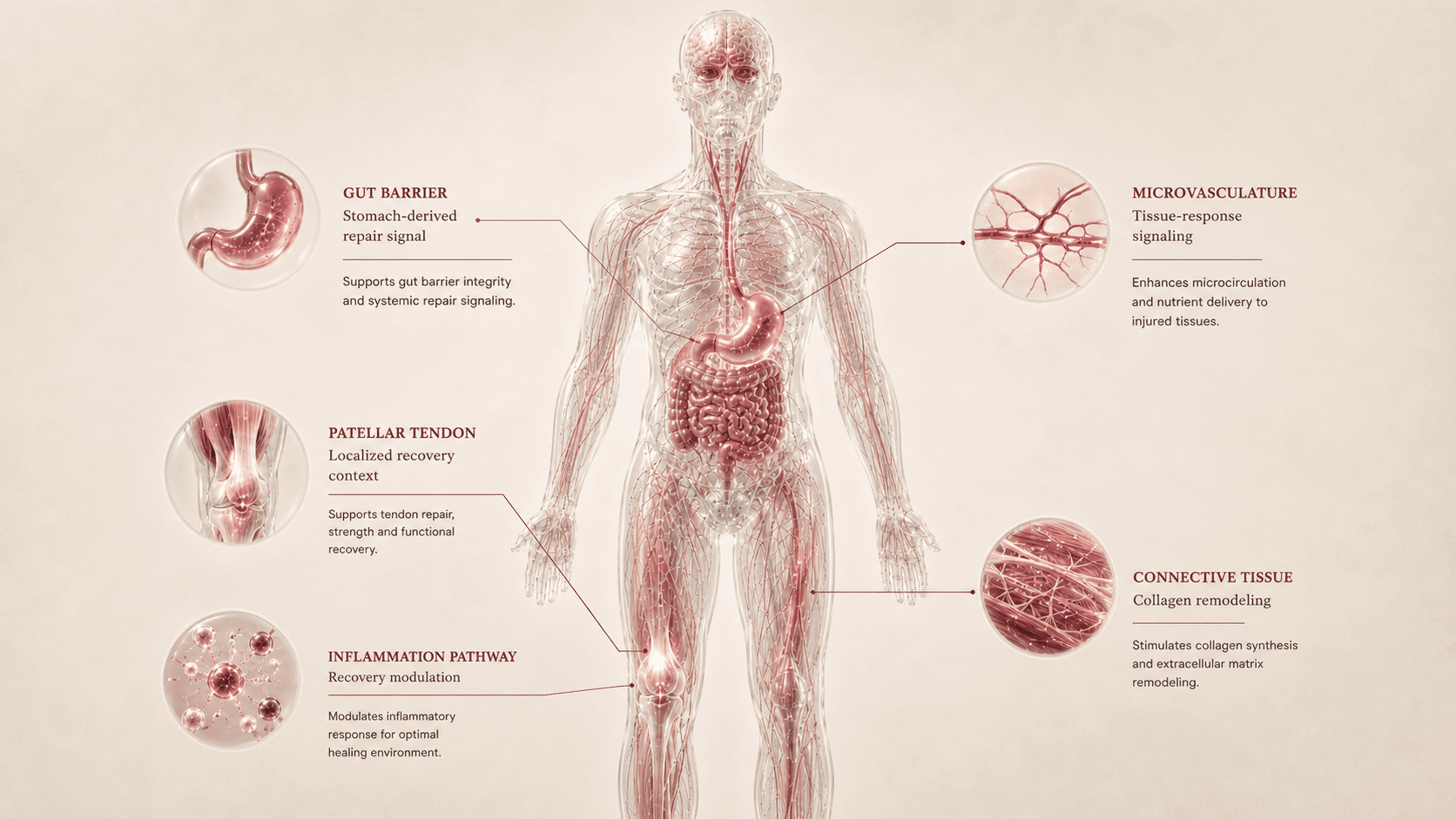
BPC-157 remains a high-interest recovery topic, but evidence quality still needs context
Why recovery peptides should be interpreted through evidence maturity, safety boundary, and route uncertainty.
Recovery and healing are active focus areas in your Blueprint, so this helps keep BPC-157 interest separate from proof strength and practical uncertainty.

GHK-Cu sits across skin, hair, and recovery, which makes category boundaries important
A short read on why one peptide can appear in several niches and still mean different things in each one.
Your report has multiple appearance and tissue-related niches, so this explains why the same peptide can carry different relevance depending on the outcome being evaluated.
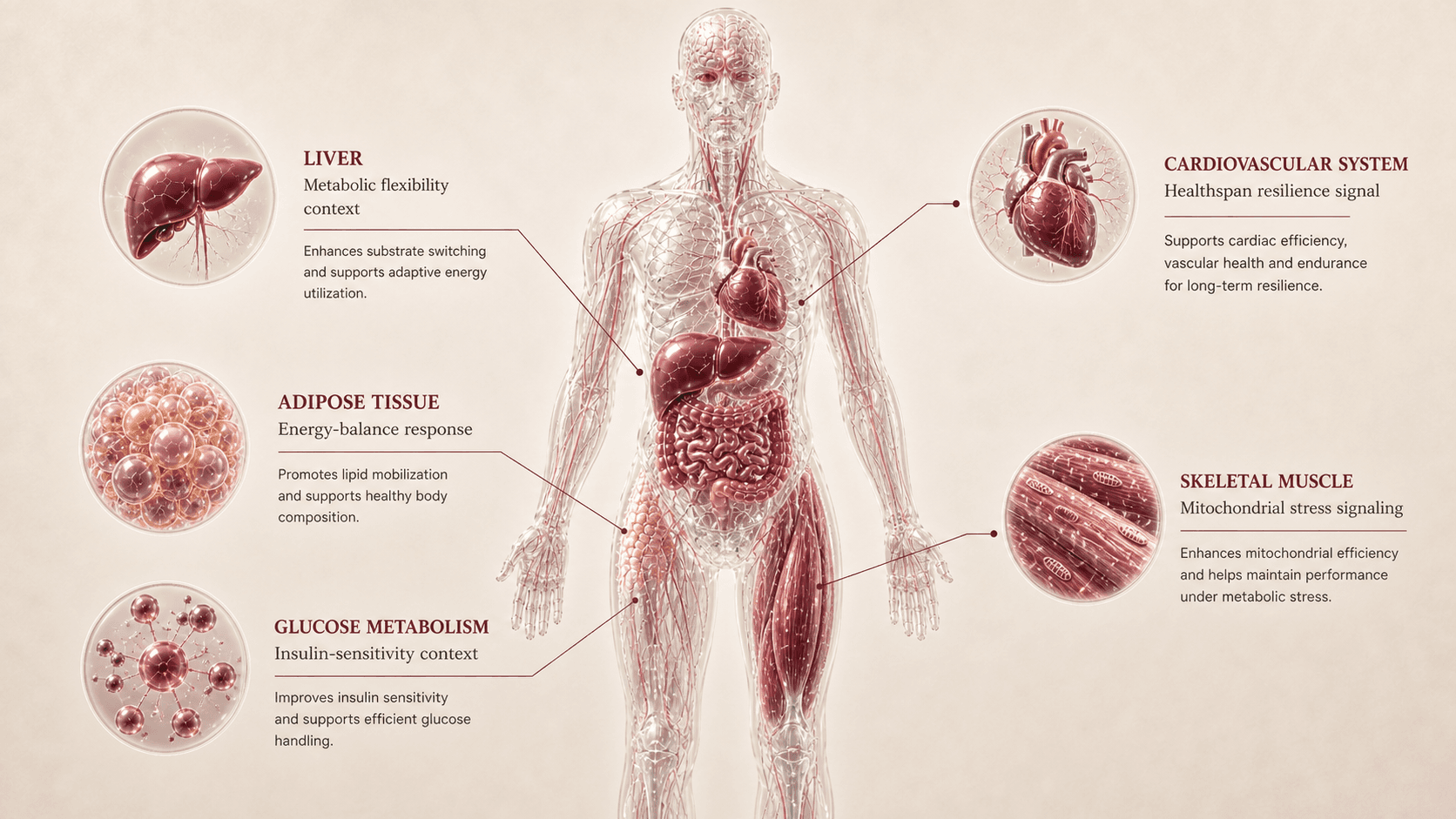
MOTS-c keeps appearing in longevity conversations, but the signal is still early
How to read mitochondrial peptide discussion without confusing mechanistic appeal with clinical certainty.
Longevity and metabolic health overlap in your Blueprint, so this story is useful as a mechanism watchlist item rather than an action item.

The peptide market is still crowded with signal, anecdote, and vendor noise
A market brief on why source quality and claim filtering matter before any compound is interpreted.
Because your Blueprint ranks many peptides, claim quality matters. This story helps explain why Peptivius separates interest, evidence, access, and practical readiness.
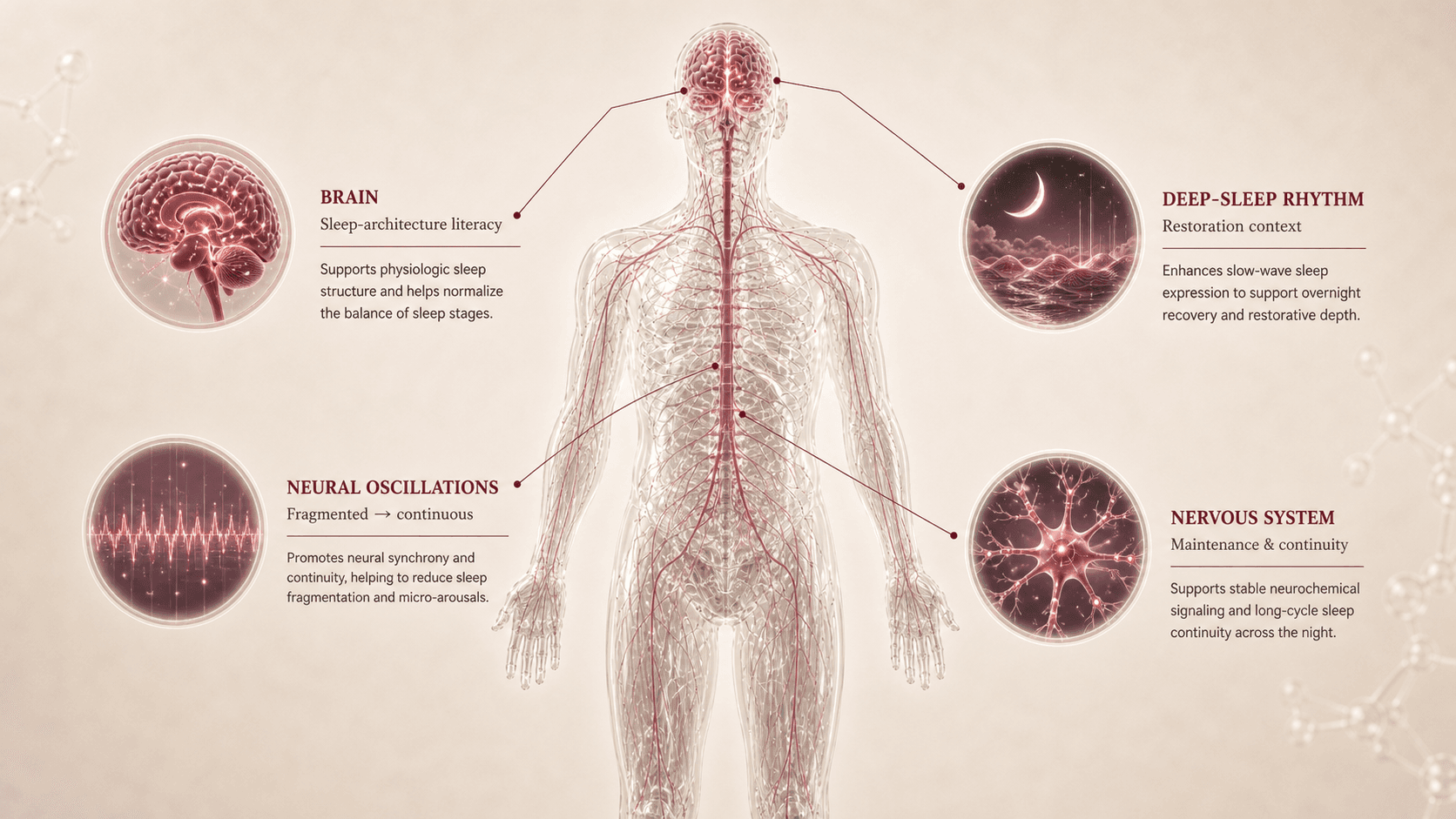
Sleep peptide interest is growing, but subjective outcomes need careful reading
Why sleep and rest updates should be interpreted through tracking quality, consistency, and competing causes.
Sleep and rest are active context areas, so this brief helps separate subjective sleep improvement from confounders like schedule, stress, and recovery load.