Focus & Cognition.
5 peptides, ranked.
Focus & Cognition is the Blueprint layer for attention, deep work, mental fatigue, brain fog, sleep-linked cognitive drag, anxiety interference, caffeine reliance, and neurotrophic peptide claims. Each candidate was evaluated against your BioProfile, training load, and declared contraindications. The strongest matches sit at the top; secondary options remain visible for comparison.
Focus foundation - before peptides
Cognition does not start with a nootropic. Sleep duration, anxiety, caffeine timing, thyroid status, iron/B12/vitamin D context, glucose stability, training load, and work design can dominate focus before a peptide is interpretable.
- Sleep duration, sleep quality, apnea risk, and next-day fatigue.
- Anxiety, rumination, SSRI context, stress load, and burnout risk.
- Caffeine dose and timing, hydration, meals, glucose swings, and under-fueling.
- Thyroid, ferritin/iron, B12, vitamin D, inflammatory context, and PCOS/metabolic markers.
- Deep-work environment, task switching, screen load, and recovery between cognitive sprints.
Focus red flags - when this is not a peptide question
Some cognitive symptoms need medical or mental-health evaluation before a peptide comparison. The report keeps these boundaries visible so brain fog is not casually reframed as a nootropic gap.
- New or rapidly worsening confusion, neurological symptoms, severe headaches, fainting, or vision changes.
- Severe depression, suicidal ideation, panic escalation, mania, psychosis, or medication side-effect concern.
- Untreated sleep apnea, severe insomnia, heavy sedative/alcohol use, or stimulant misuse.
- Uncontrolled thyroid disease, anemia/iron deficiency, B12 deficiency, infection/inflammation, or glucose instability.
- Post-concussion, stroke/TIA symptoms, seizure history, or cognitive decline that needs diagnosis.
Ranked list
| Rank | Peptide | Match | Evidence | Regimen | |
|---|---|---|---|---|---|
| 01 | 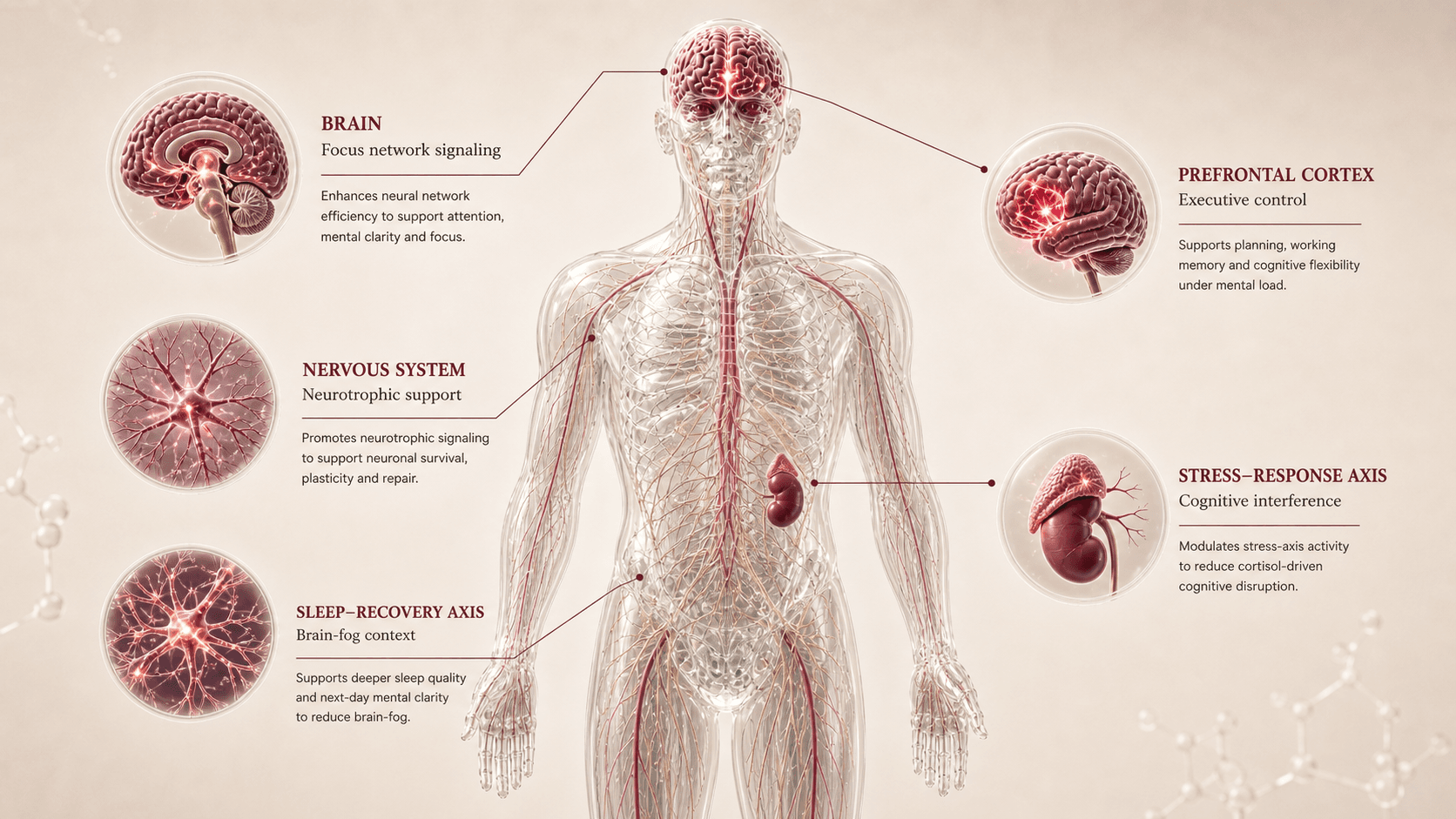 Semax heptapeptide semax | 87 | xCresearch only | intranasal - no protocol timeline | View |
| 02 | 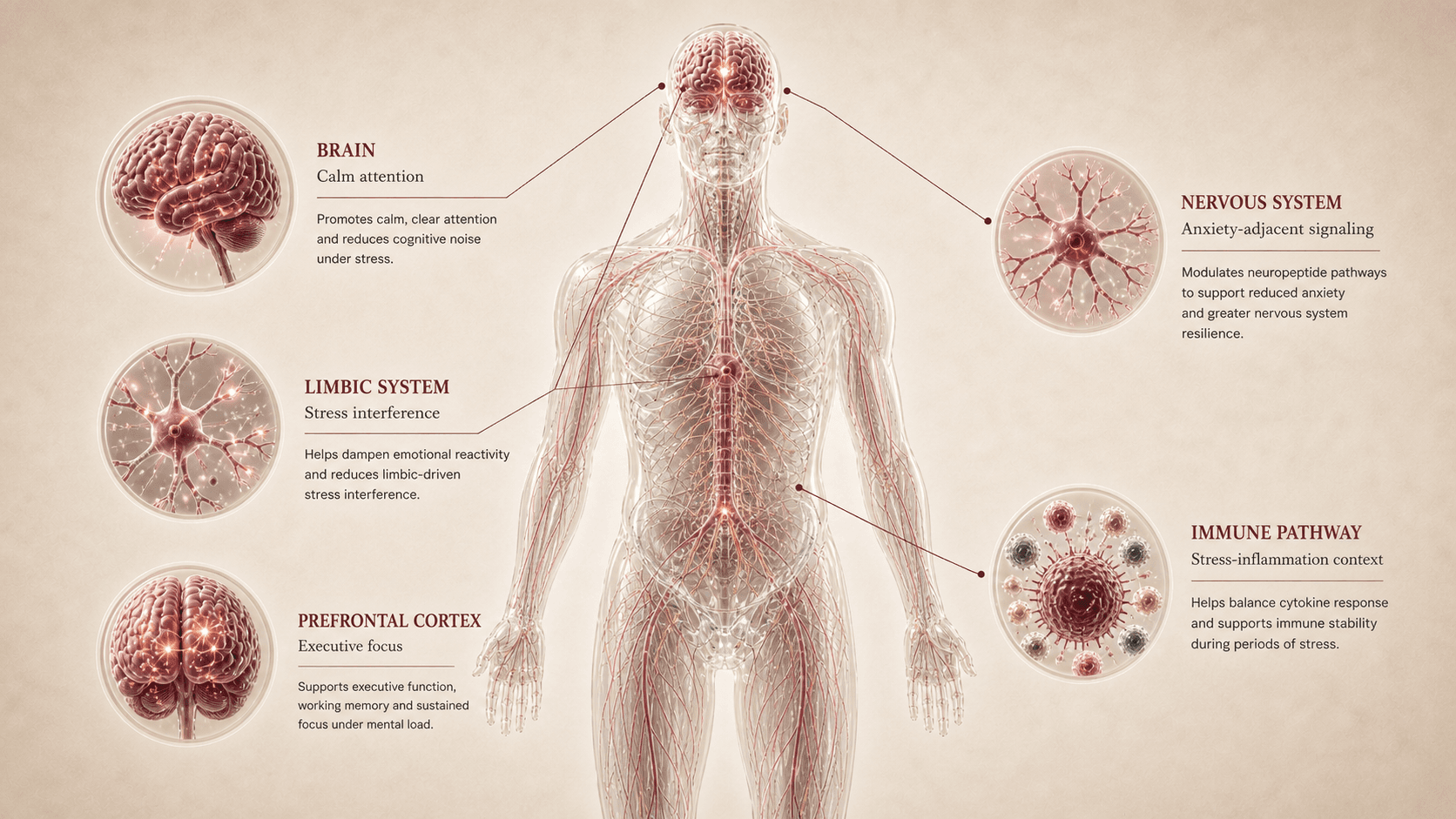 Selank tp-7 - selank acetate | 84 | xCresearch only | intranasal - no protocol timeline | View |
| 03 | 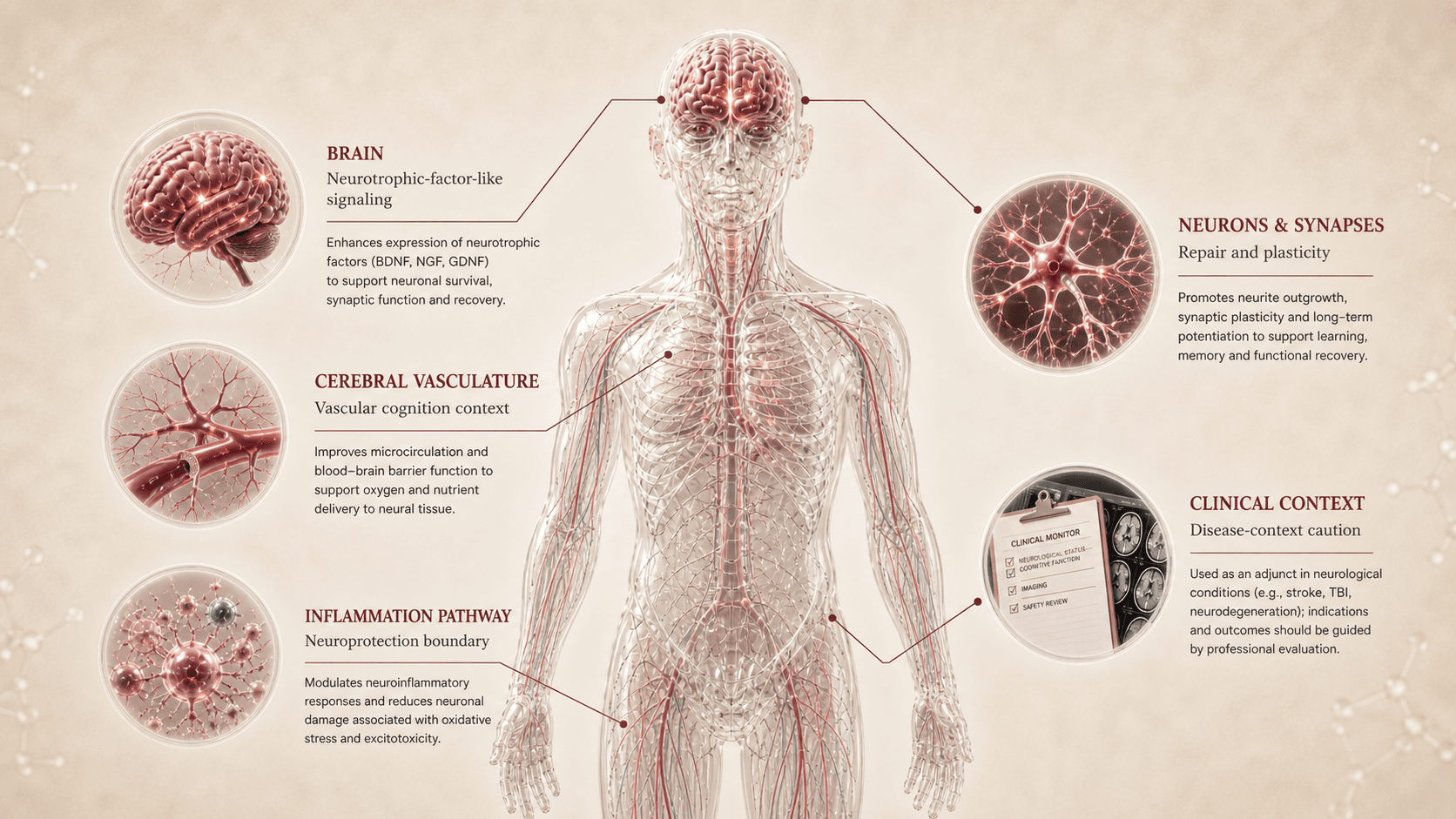 Cerebrolysin porcine brain-derived peptide preparation | 72 | ~B-research only | intramuscular - no protocol timeline | View |
| 04 | 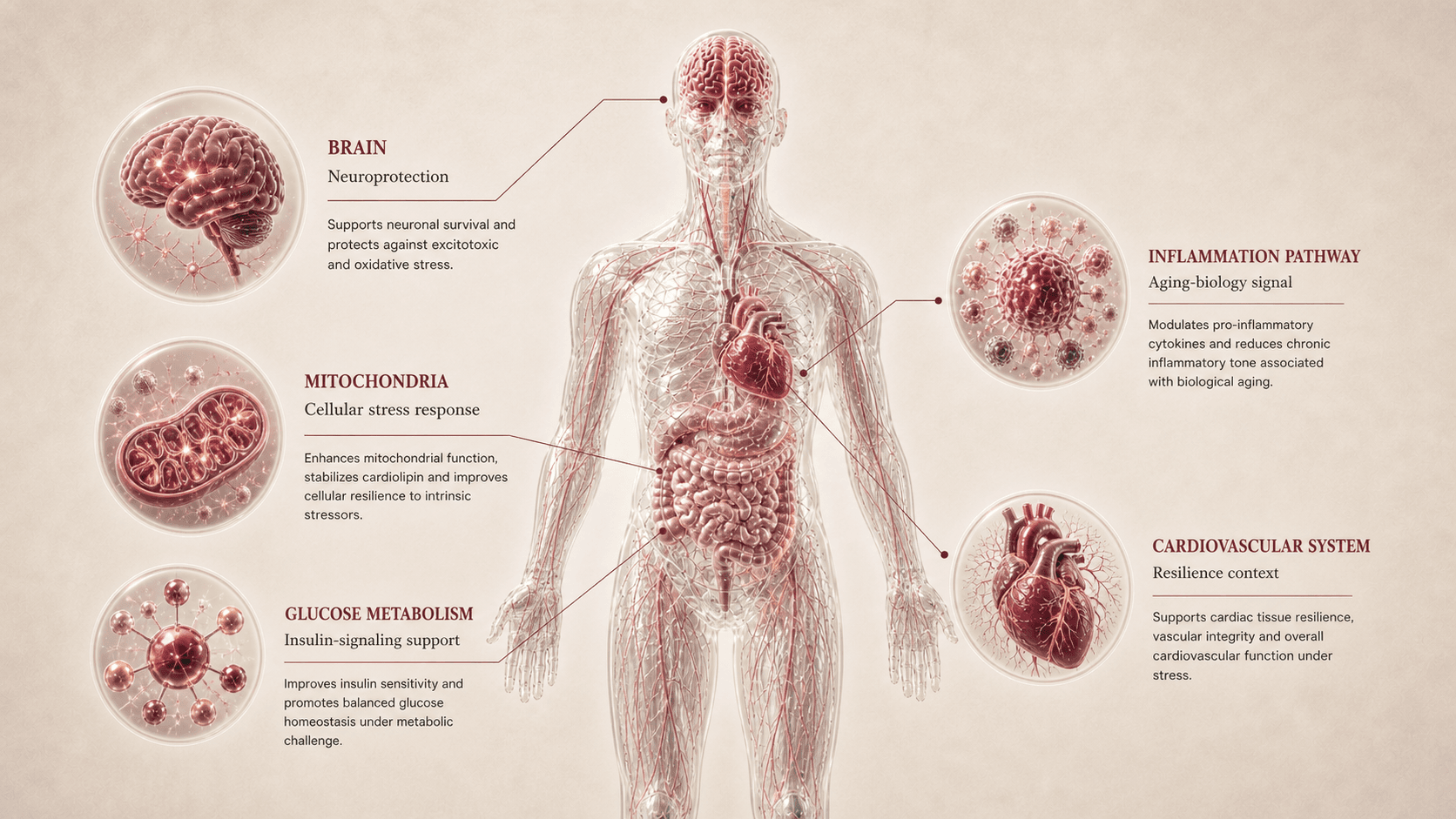 Humanin / HNG humanin - hng | 69 | xCresearch only | subcutaneous - no protocol timeline | View |
| 05 | 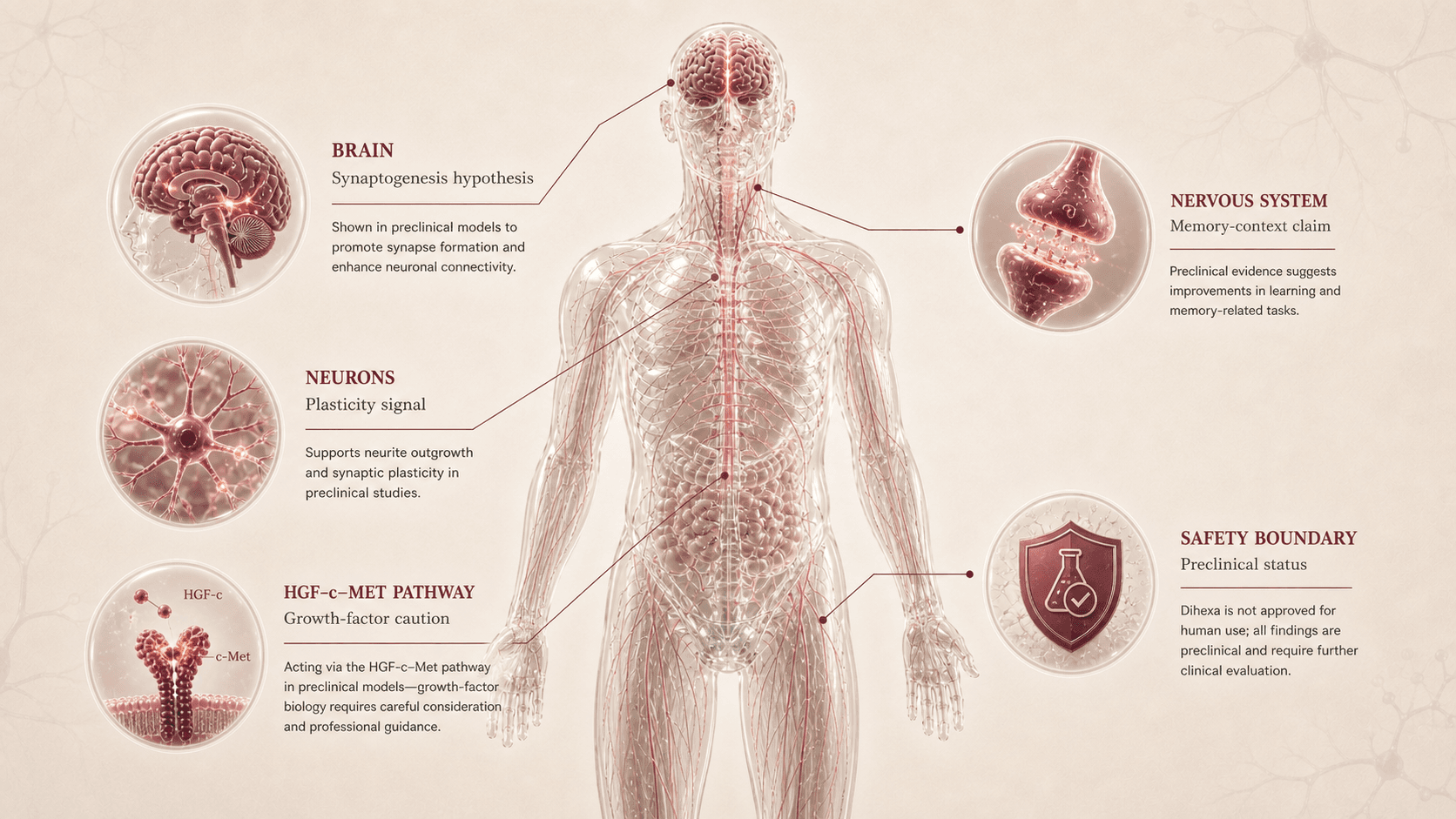 Dihexa n-hexanoic-tyr-ile-(6) aminohexanoic amide | 58 | xDpreclinical | oral - no protocol timeline | View |
Focus & Cognition comparison matrix
| Peptide | Regulatory anchor | Mechanism | Cognition role | Evidence maturity | Readiness | Watchout | Takeaway |
|---|---|---|---|---|---|---|---|
Semax semax-focus | PubMed-indexed Semax neurotrophic and functional-network literature plus FDA safety-risk compounding context. | Neuropeptide / neurotrophic signaling / BDNF context. | Focus, cognitive output, stress-resilient attention, and nootropic literacy. | Mechanistic and regional-use interest; globally replicated human cognition evidence remains limited. | Low/moderate; source quality and jurisdiction matter. | Regional evidence base, anxiety/SSRI context, and product-identity uncertainty. | Best conceptual fit for focus output, but not a productivity protocol. |
Selank selank-focus | PubMed Selank anxiolytic/nootropic review literature plus FDA safety-risk compounding context. | Neuropeptide / anxiolytic-nootropic / stress-arousal context. | Focus protection when anxiety, stress, and rumination disrupt attention. | Mechanistic and regional anxiety/nootropic literature; direct global cognition outcomes remain limited. | Low/moderate; useful for education, not as anxiety treatment. | Not a psychiatric medication substitute and not a guaranteed cognitive enhancer. | Relevant when calmer attention matters more than stimulation. |
Cerebrolysin cerebrolysin | PubMed randomized dementia and vascular-cognitive-impairment literature. | Peptide mixture / neurotrophic-factor-like activity. | Clinical-context neuroprotection and cognitive-decline comparator. | More human neurological literature than many nootropics, but mostly disease-context rather than healthy focus. | Low for productivity; clinical supervision and indication context dominate. | Not a casual focus peptide; parenteral clinical context and indication mismatch matter. | Useful as a serious neurotrophic comparator, not a workday nootropic. |
Humanin / HNG humanin-focus | PubMed mitochondrial-derived peptide and neuro-metabolic aging literature. | Mitochondrial-derived peptide / neuro-metabolic stress response. | Cognitive aging, mitochondrial brain resilience, and neuro-metabolic literacy. | Compelling mitochondrial-aging biology; limited direct human cognition outcomes. | Low; research-sensitive and not a practical cognition therapy. | Aging-biology plausibility should not become a cognitive-enhancement claim. | Best read as a cognitive-aging comparator rather than a focus tool. |
Dihexa dihexa | Preclinical cognition and HGF/c-Met mechanism literature; no approved clinical cognition anchor. | HGF / c-Met pathway / synaptogenesis hypothesis. | High-interest preclinical cognition boundary. | Preclinical and mechanistic; not a mature human cognition evidence base. | Very low; included for literacy and caution. | Unknown human safety, preclinical status, and growth-factor pathway caution. | Important to explain because users search for it, but it is not ready. |
Focus & Cognition Combination & Overlap Map
| Combination | Components | Type | Why it appears | Peptivius read | Main caution | Status |
|---|---|---|---|---|---|---|
Semax + Selank | Neurotrophic focus + stress-arousal modulation | Common nootropic pairing | Users look for focus without anxiety amplification. | Conceptually understandable but not a protocol or validated stack. | Anxiety, SSRI context, sleep debt, and source quality change interpretation. | Commonly discussed / not recommended as stack |
Cerebrolysin + cognitive decline narratives | Peptide mixture + dementia/stroke literature | Clinical-context import | Human cognition studies exist in neurological populations. | Not a casual focus peptide for healthy productivity. | Parenteral clinical context, indication mismatch, and medical-supervision boundary. | Clinical-context comparator |
Dihexa + neurogenesis marketing | Preclinical HGF/c-Met cognition narrative | Preclinical high-interest claim | It is highly searched in advanced nootropic circles. | Included mainly to mark evidence limits. | Preclinical status, unknown human safety, and cancer-pathway caution. | High caution / preclinical |
Sleep + focus | Sleep foundation + cognition | Non-peptide foundation | Ana's focus symptoms overlap strongly with sleep restriction. | Most important first layer for this profile. | Do not mask sleep debt with cognitive compounds. | Support foundation |
Frequent questions about Focus & Cognition peptides
Is this a nootropic stack?
No. It is category education and individual peptide ranking, not a stack builder.
Why do Semax and Selank rank high?
They are highly searched and mechanistically relevant to focus and stress-arousal, but still require cautious evidence framing.
Why include Cerebrolysin?
It has human neurological literature, but that clinical context should not be generalized into everyday productivity.
Why include Dihexa if evidence is weak?
Because it is visible in nootropic research circles and needs a clear preclinical boundary.
Can poor sleep explain Ana's brain fog?
Yes. Sleep restriction and suspected apnea can dominate cognitive symptoms before any peptide is interpretable.
Final personalized interpretation for Ana Beatriz
Ana's Focus & Cognition module is driven by brain fog, knowledge-work demand, sleep restriction, high stress, anxiety treated with escitalopram, and heavy caffeine reliance.
Semax and Selank lead because they map to focus and stress-arousal, but the report keeps them below sleep, anxiety, thyroid, iron/B12, and caffeine foundations.
Cerebrolysin, Humanin, and Dihexa are included to make the evidence map honest: clinical-context neurotrophic mixtures, mitochondrial-aging peptides, and preclinical cognition narratives are not the same thing.
For Ana, the strongest cognition move is still foundation clarity: sleep evaluation, anxiety/stress control, caffeine timing, thyroid/iron/B12/vitamin D context, and workload design before peptide novelty.