Longevity.
6 peptides, ranked.
Longevity is the healthspan layer of the Blueprint: mitochondrial health, metabolic resilience, immune aging, chronic inflammation, cognitive aging, sleep and circadian rhythm, muscle and body composition, biological-age literacy, and biomarker interpretation. Each candidate was evaluated against your BioProfile, training load, and declared contraindications. The strongest matches sit at the top; secondary options remain visible for comparison.
Longevity foundation - before peptides
Longevity does not start with anti-aging compounds. It starts with understanding which systems are limiting healthspan: mitochondria, metabolism, inflammation, immunity, cognition, body composition, sleep, circadian rhythm, and cardiometabolic risk. The peptides below are analyzed as mechanism education and professional-conversation topics, not shortcuts to reverse aging.
- Sleep quality, circadian rhythm, HRV, stress load, and recovery consistency.
- Training, muscle mass, strength, VO2 or cardiorespiratory capacity, and sarcopenia risk.
- Metabolic health: fasting glucose, HbA1c, insulin resistance, lipids, blood pressure, waist, and body composition.
- Inflammation and immune resilience: hs-CRP, autoimmune context, infection history, and chronic inflammatory symptoms.
- Medication and supplement context, including metformin, thyroid medication, NMN, resveratrol, vitamin D, and other geroprotectors.
- Biological-age testing and biomarkers used as trend literacy, not as a single number to chase.
Longevity red flags - when this is not an anti-aging question
Some patterns need medical investigation before any longevity peptide discussion. The point is not to alarm the reader; it is to avoid mistaking unresolved disease, acute decline, or unsafe context for an optimization problem.
- Unexplained weight loss, new extreme fatigue, chest pain, shortness of breath, fainting, or uncontrolled blood pressure.
- Rapid cognitive decline, new neurological symptoms, severe depression, suicidal ideation, or major sleep-disordered-breathing suspicion.
- Unexplained bleeding, relevant anemia, persistent inflammation without a known cause, or very abnormal labs.
- Active cancer, unresolved cancer history, active autoimmune disease, immunosuppression, or serious infection context without specialist review.
- Uncontrolled diabetes, suspected sleep apnea, pregnancy, lactation, or multiple hormones and compounds used without professional oversight.
- Any situation where diagnosis, standard medical care, or prevention screening should come before peptide matching.
Ranked list
| Rank | Peptide | Match | Evidence | Regimen | |
|---|---|---|---|---|---|
| 01 | 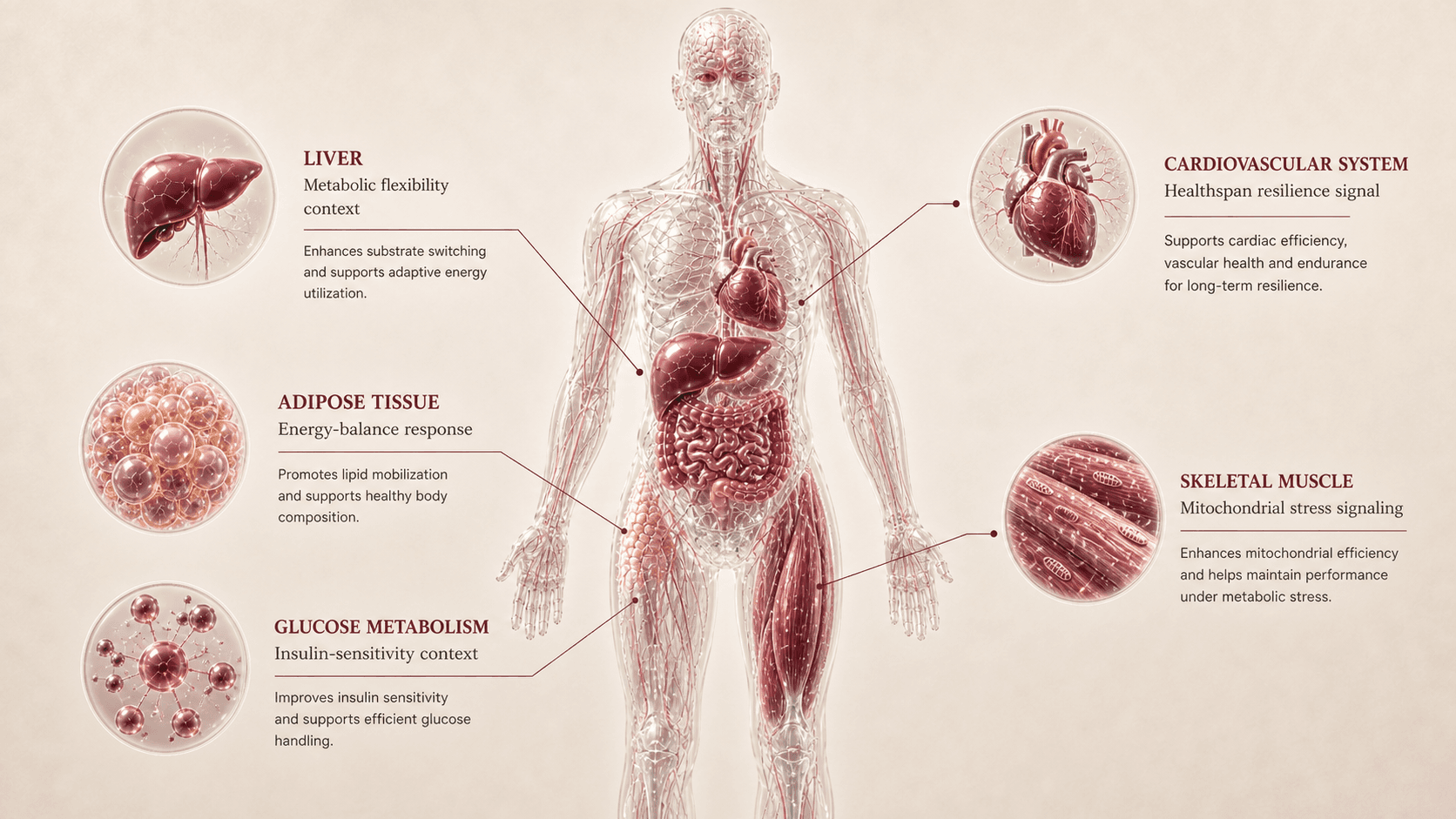 MOTS-c mitochondrial open reading frame of the 12s rrna-c | 86 | xCresearch only | subcutaneous - no protocol timeline | View |
| 02 | 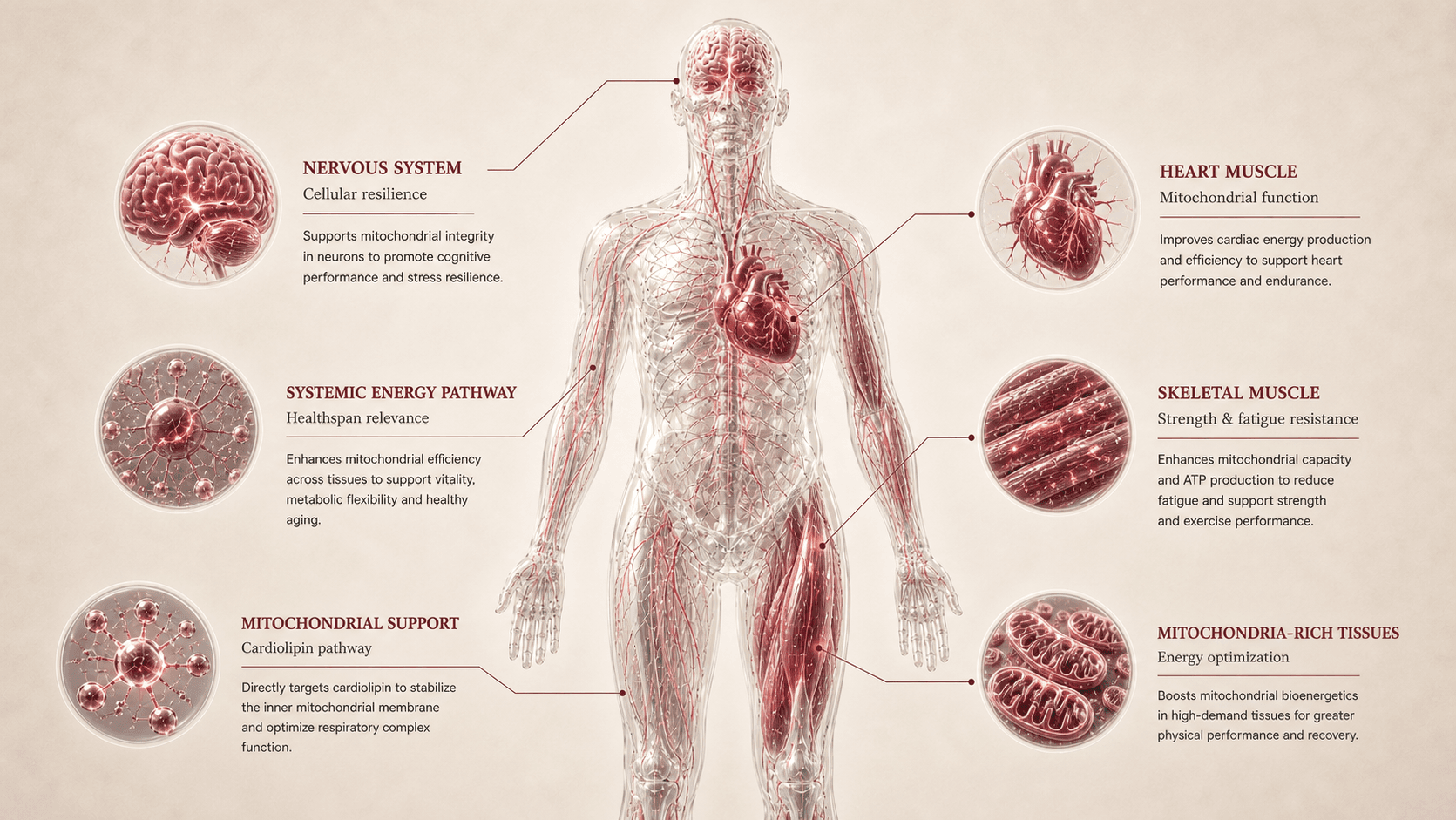 SS-31 / Elamipretide elamipretide - forzinity - mtp-131 | 83 | ~Bfda approved | subcutaneous - no protocol timeline | View |
| 03 | 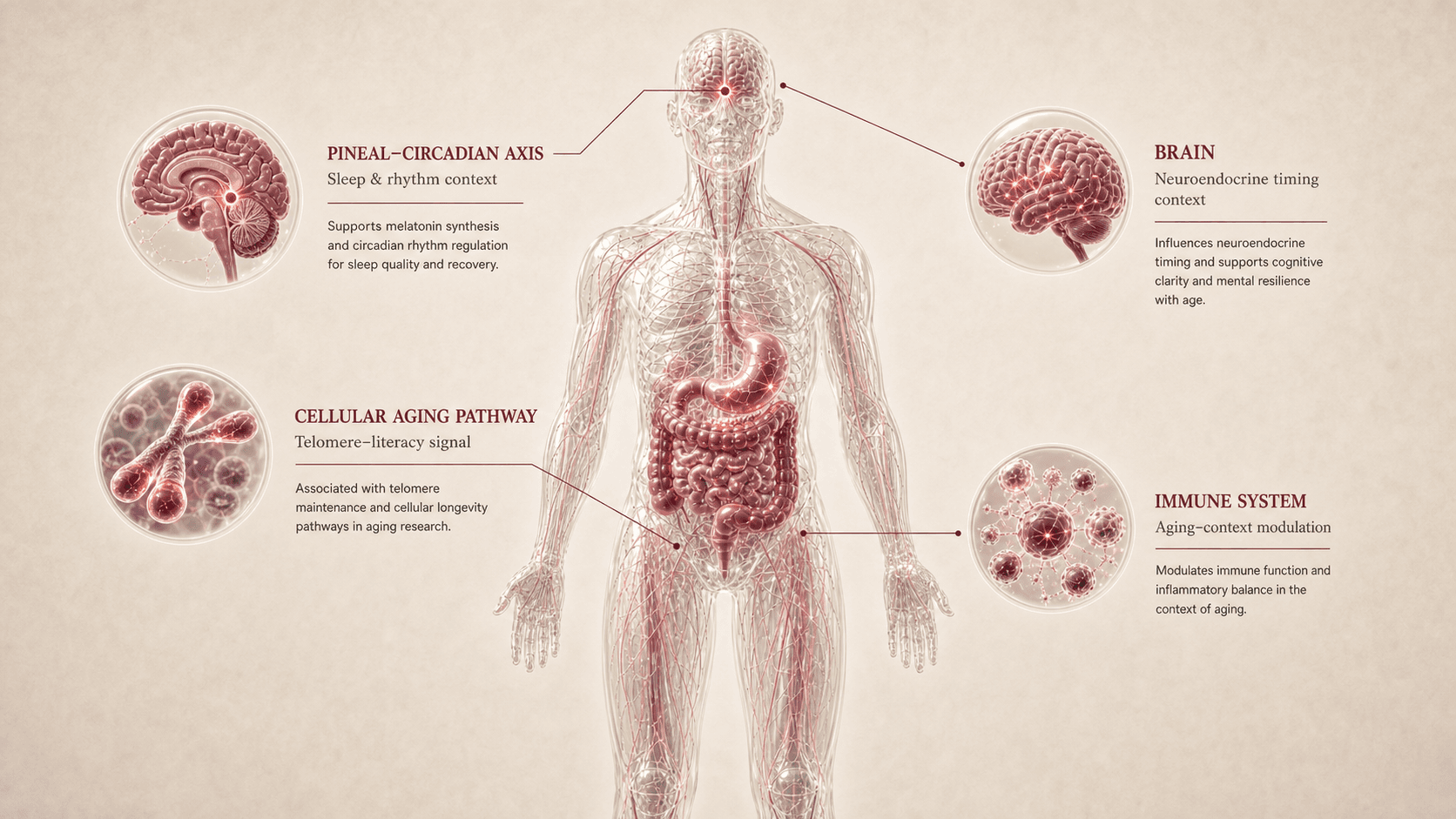 Epitalon epithalon - aedg | 79 | xCresearch only | subcutaneous - no protocol timeline | View |
| 04 | 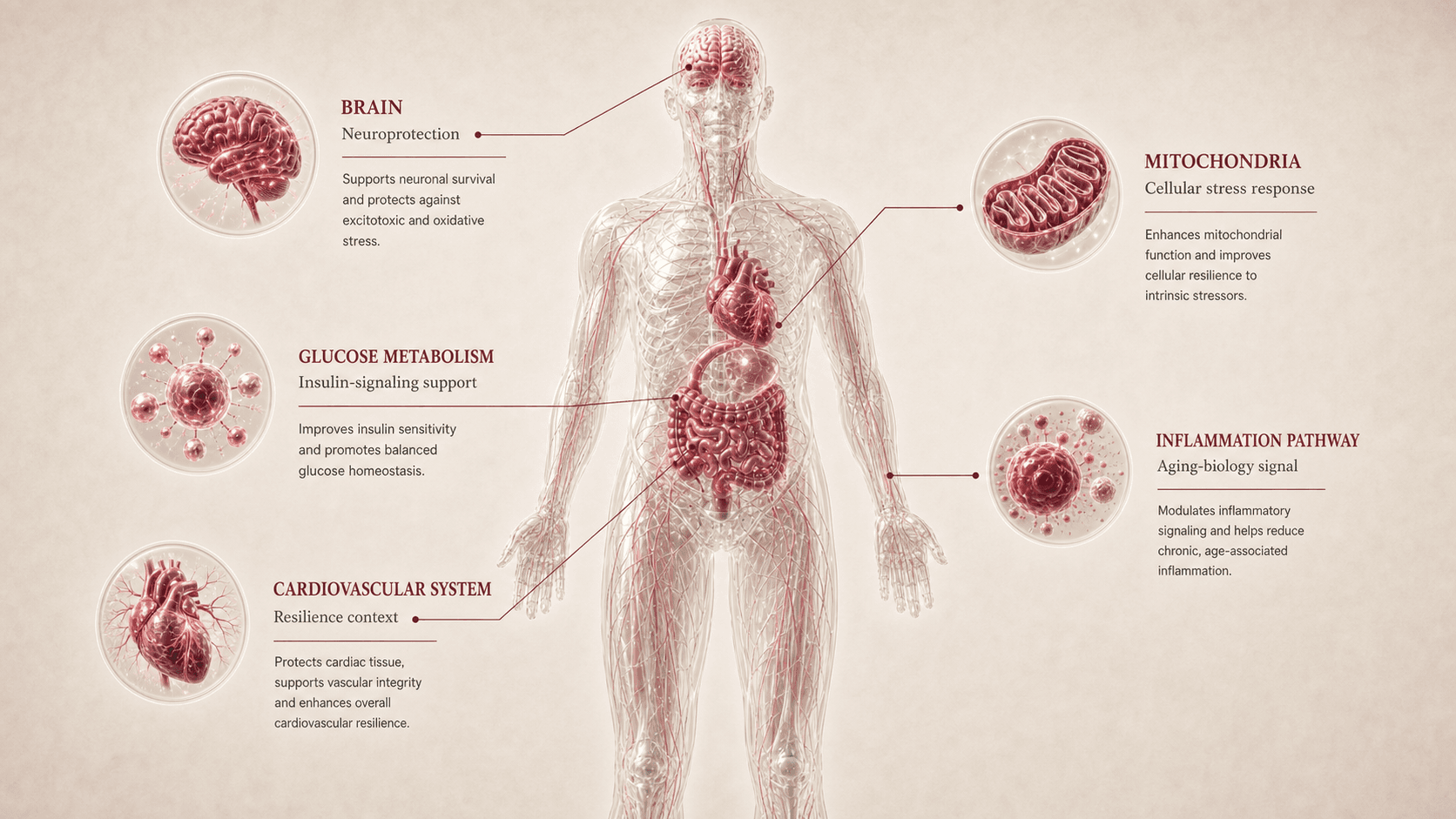 Humanin / HNG humanin - hng - s14g-humanin | 75 | xCresearch only | subcutaneous - no protocol timeline | View |
| 05 | 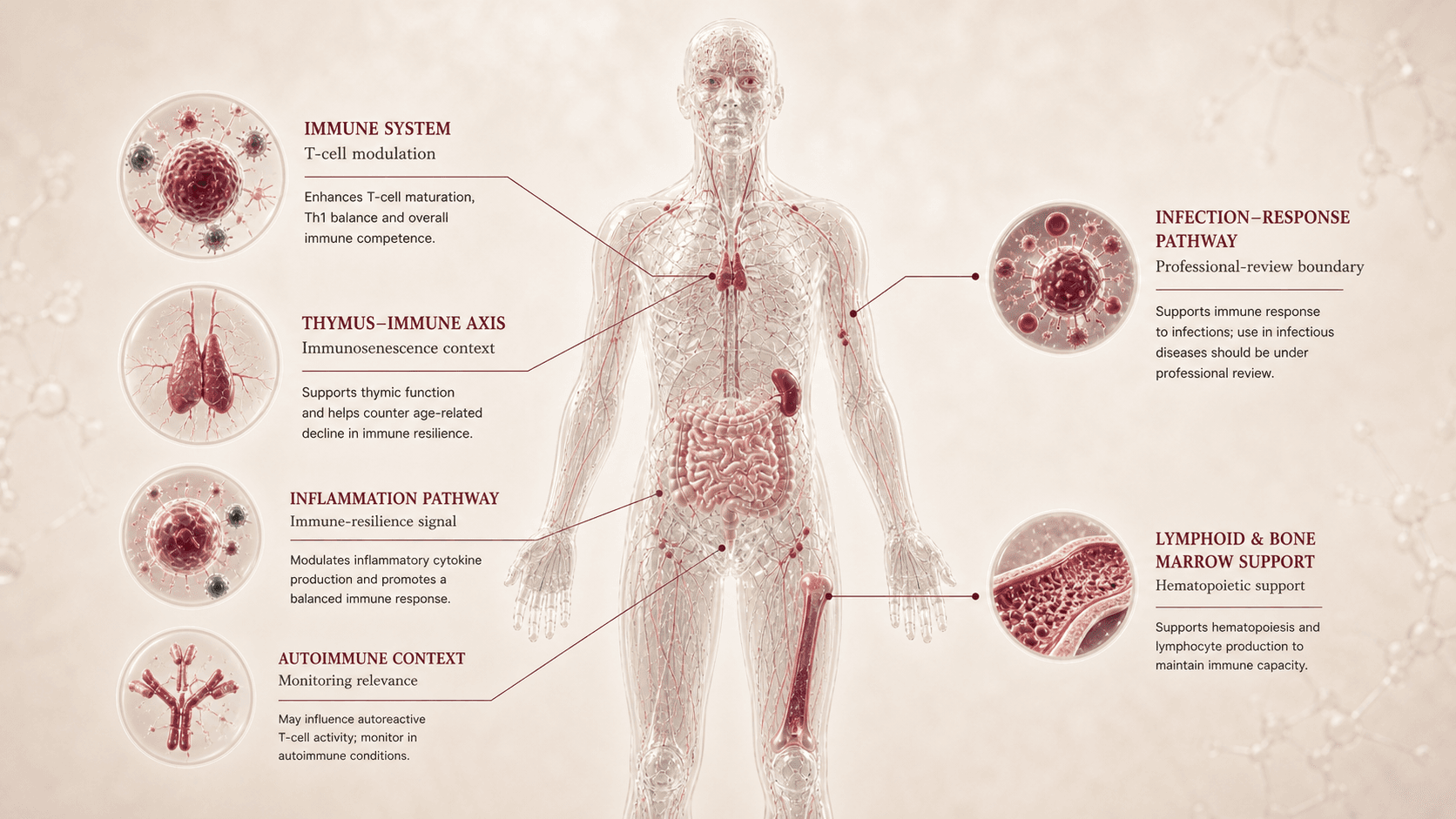 Thymosin Alpha-1 ta-1 - talpha1 - zadaxin | 72 | ~B-research only | subcutaneous - no protocol timeline | View |
| 06 | 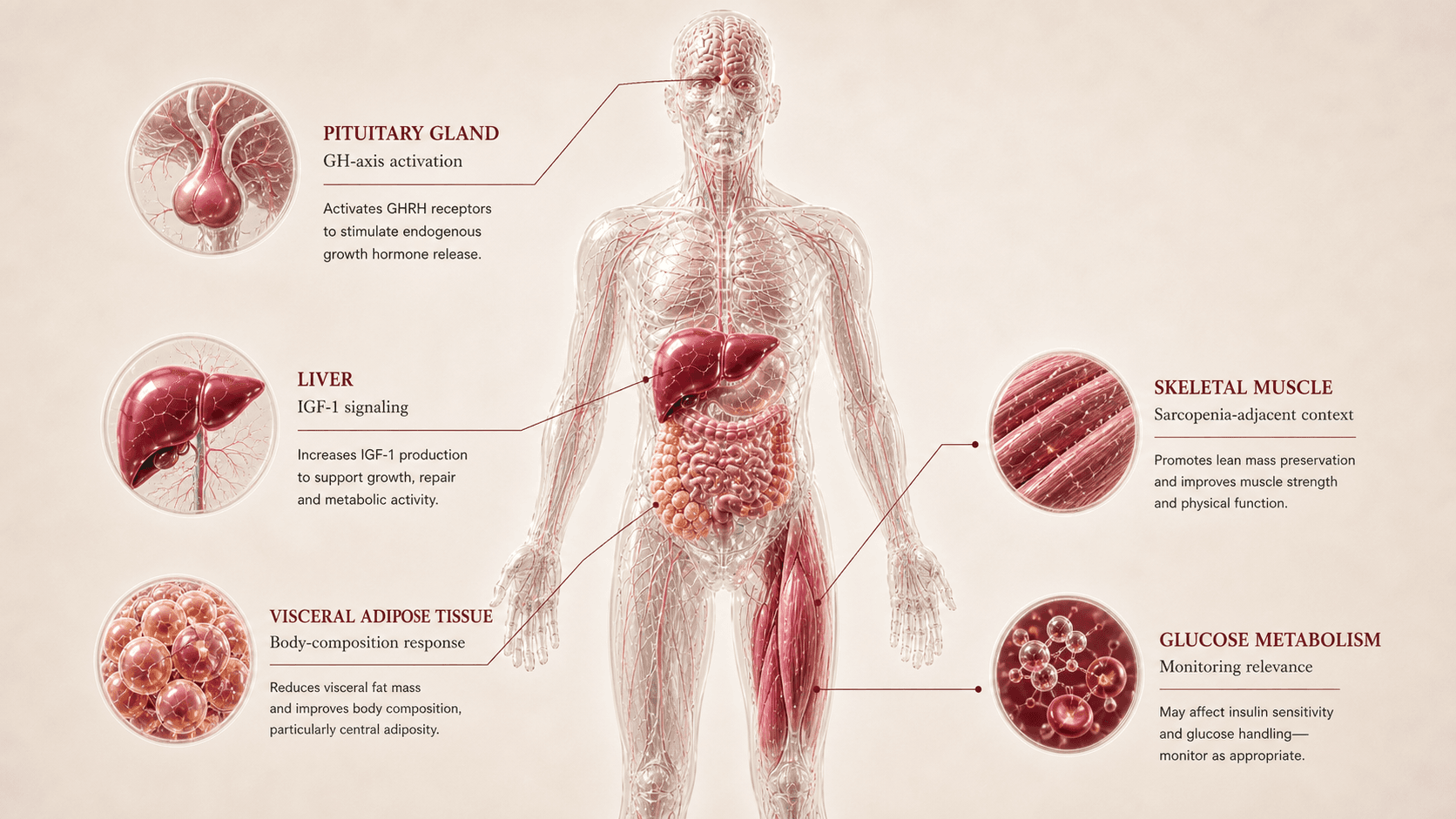 Tesamorelin egrifta wr - egrifta sv | 68 | ~Bfda approved | subcutaneous - no protocol timeline | View |
Longevity comparison matrix
| Peptide | Regulatory anchor | Mechanism | Primary longevity role | Evidence maturity | Readiness | Watchout | Takeaway |
|---|---|---|---|---|---|---|---|
MOTS-c mots-c | FDA safety-risk compounding page for MOTs-C plus mitochondrial-derived peptide and AMPK/metabolic-aging literature. | Mitochondrial-derived peptide / AMPK / metabolic stress signaling. | Metabolic longevity, mitochondrial healthspan, exercise-like signaling, and insulin-resistance literacy. | Strong mechanistic aging and metabolic plausibility; human healthspan outcome evidence remains early and indirect. | Low/moderate; research-sensitive with no approved longevity label and FDA safety-risk compounding concerns. | Promising metabolic signal can be overread as exercise replacement or validated anti-aging therapy. | The best Longevity education match for Ana's metabolic, mitochondrial, PCOS, metformin, energy, and biological-age context. |
SS-31 / Elamipretide ss-31 | Forzinity FDA label for Barth syndrome muscle-strength improvement in patients meeting label criteria. | Mitochondrial cardiolipin-binding / mitochondrial function. | Regulated mitochondrial comparator with a narrow rare-disease anchor. | Real FDA label evidence exists, but it is narrow and should not be generalized to broad longevity or wellness. | High only inside the Forzinity Barth syndrome label; low as general longevity, recovery, or wellness use. | FDA approval is for Barth syndrome muscle-strength improvement, not anti-aging, athletic recovery, fatigue, or general mitochondrial wellness. | A strong mitochondrial reference point, but its regulated anchor is narrow and boundary-heavy. |
Epitalon epitalon | FDA safety-risk compounding page for Epitalon plus cell-culture telomerase/telomere literature. | Pineal / circadian / telomere-related research narrative. | Classic longevity, biological-clock, telomere, pineal, and circadian literacy. | Mechanistic and cell-culture telomere interest exists, but modern independent human healthspan outcome evidence is limited. | Low; research-sensitive with no approved longevity label and high overclaiming risk. | Telomere and biological-age claims can easily become promises of reversal that the evidence does not support. | Relevant to the longevity imagination, but it needs the strongest evidence caution in the niche. |
Humanin / HNG humanin | Mitochondrial-derived peptide aging and healthspan literature for Humanin/HNG; no approved longevity label. | Mitochondria-derived peptide / apoptosis / neuroprotection / metabolic aging. | Neuro-metabolic aging, cellular stress, mitochondrial signaling, and cognitive-aging literacy. | Strong aging-biology interest in preclinical and translational literature; limited consumer human longevity outcomes. | Low; research-sensitive with no approved longevity, cognition, or metabolic-aging label. | Neuroprotection and anti-apoptosis language can sound more clinically proven than it is for consumers. | Important for understanding mitochondrial aging biology, not a clinical anti-aging protocol. |
Thymosin Alpha-1 thymosin-alpha-1 | FDA safety-risk compounding page for thymosin-alpha 1 plus immune-modulation literature and non-US specific-use context. | Immune modulation / T-cell context / immune resilience. | Immune aging, immunosenescence, chronic inflammation, and resilience literacy. | More human immune-context literature than many longevity peptides, but not broad anti-aging outcome evidence. | Low/moderate; jurisdiction-specific clinical context exists, but no broad US longevity label. | Autoimmunity, Hashimoto, immunosuppression, cancer history, infection status, and immune overconfidence require review. | Useful for immune-aging education, but not a generic anti-aging immune booster. |
Tesamorelin tesamorelin | Egrifta WR/SV label context for reduction of excess abdominal fat in HIV-infected adults with lipodystrophy. | GHRH / GH-IGF-1 axis / visceral-fat and body-composition context. | Body composition, visceral-fat, sarcopenia-adjacent, and GH-axis comparator. | Strongest in HIV-associated lipodystrophy abdominal-fat evidence; limited for broad longevity or anti-aging. | Medium only in label-aligned care; low as broad longevity, wellness, or anti-aging use. | Not anti-aging hormone therapy; IGF-1, glucose, edema, malignancy history, sleep apnea, and indication mismatch matter. | Legitimate but narrow; useful for body-composition literacy rather than general longevity therapy. |
Pinealon pinealon | Research-sensitive cognitive-aging comparator; no broad approved longevity label. | Neuro/cognitive peptide-school context. | Optional cognitive-aging comparator and boundary marker. | Thin and historically concentrated; not strong enough for a core Ana card. | Low; advanced comparator only. | Should not be framed as cognitive decline treatment or biological-age reversal. | Useful for literacy around cognitive-aging narratives, not a lead Longevity candidate. |
NAD+ / NR / NMN nad-nr-nmn | Non-peptide supplement/drug-status context depending on jurisdiction and formulation. | NAD metabolism / sirtuin / energy and DNA-repair context. | Non-peptide longevity context already relevant to Ana's supplement routine. | Mechanistically important, but human longevity outcomes remain mixed and early. | Contextual; not a peptide and not ranked as one. | Do not blend NAD-pathway supplements into peptide Match Score or treat them as anti-aging guarantees. | Belongs in Longevity literacy, not in the peptide ranking. |
Glutathione glutathione | Tripeptide/redox context; not a primary Peptivius longevity candidate. | Redox / antioxidant / oxidative-stress biology. | Oxidative-stress and redox literacy comparator. | Relevant to redox biology, but not a primary peptide-longevity intervention. | Contextual; should sit behind foundations and biomarkers. | Antioxidant language can become a catch-all without identifying the actual driver. | Useful as redox context, not a lead Longevity card. |
5-amino-1MQ 5-amino-1mq | Non-peptide metabolic comparator; not part of the peptide ranking. | NNMT / metabolic small-molecule context. | Advanced non-peptide metabolic comparator. | Mechanistic metabolic interest, but not peptide healthspan evidence. | Low as Peptivius peptide content; comparator only. | Should not be presented as equivalent to peptide candidates. | A metabolic longevity reference point, not a peptide card. |
GHK-Cu ghk-cu | Skin/recovery/tissue-aging cross-link; injectable compounding has FDA safety-risk caution. | Copper peptide / collagen / tissue remodeling. | Skin and tissue-aging cross-link rather than core Longevity anchor. | Useful for skin and tissue-aging literacy; not a systemic healthspan lead. | Medium/low depending on route and formulation; not a primary longevity peptide. | Aesthetic and tissue-aging relevance should not become systemic anti-aging overclaiming. | Belongs mainly to Skin or Recovery, with Longevity as a cross-reference. |
Longevity Combination & Overlap Map
| Combination | Components | Type | Why it appears | Peptivius read | Main caution | Status |
|---|---|---|---|---|---|---|
MOTS-c + metformin / AMPK context | MOTS-c + metformin context | Metabolic pathway overlap | Users connect mitochondrial peptides, AMPK signaling, insulin resistance, and metformin. | Educational mechanism overlap, not a recommendation or medication plan. | Glucose, GI tolerance, medication context, and professional review matter. | Mechanism overlap / professional review |
MOTS-c + exercise | MOTS-c + training foundation | Non-peptide foundation | Exercise is the most validated mitochondrial and healthspan intervention. | Training remains the foundation; MOTS-c explains a mechanism users encounter. | Peptide claims should not replace training, sleep, nutrition, or metabolic care. | Support foundation |
SS-31 + MOTS-c | SS-31 / Elamipretide + MOTS-c | Mitochondrial overlap | Both sit in mitochondrial longevity narratives. | They are not automatically synergistic and have very different evidence and regulatory anchors. | Forzinity label boundaries, research-only material, attribution, and monitoring clarity. | Mitochondrial overlap / caution |
Epitalon + circadian/sleep context | Epitalon + sleep/circadian foundation | Circadian and telomere narrative | Users connect Epitalon with biological clocks, sleep, melatonin, and telomeres. | Useful for explaining biological-clock narratives, but evidence caution is central. | Do not promise telomere reversal, biological-age reversal, or lifespan extension. | Evidence caution |
Humanin + mitochondrial aging | Humanin / HNG + mitochondrial healthspan context | Neuro-metabolic aging overlap | Humanin appears in neuroprotection, apoptosis, metabolic aging, and inflammation narratives. | Important mechanism literacy, not a consumer anti-aging protocol. | Human outcome evidence is early and should not be read as cognitive treatment. | Research-sensitive / education |
Thymosin Alpha-1 + immune aging | Thymosin Alpha-1 + immunosenescence context | Immune resilience context | Users link immune modulation with resilience, infection concerns, and chronic inflammation. | Relevant to immunosenescence literacy, but immune modulation is not casual. | Autoimmunity, Hashimoto, immunosuppression, cancer history, and infection review. | Professional review |
Tesamorelin + GH-axis/body composition | Tesamorelin + body-composition foundation | Visceral-fat / sarcopenia-adjacent comparator | Users connect visceral fat, GH/IGF-1, muscle, and aging. | Useful if body composition is central, but it is not general anti-aging hormone therapy. | IGF-1, glucose, edema, malignancy/endocrine history, sleep apnea, and indication mismatch. | Adjacent / narrow indication |
NAD+ / NR / NMN + peptides | Non-peptide NAD-pathway context + peptide candidates | Non-peptide longevity routine context | NAD-pathway supplements are common in longevity routines and Ana already uses NMN. | Relevant background context, not a peptide score input or stack plan. | Non-peptide status, mixed human outcome evidence, and attribution confusion. | Context only |
Rapamycin / metformin / senolytics context | Non-peptide geroprotector context | Existing-user and category-literacy context | Longevity users often compare peptides with geroprotectors and senolytic narratives. | Mentioned only as category context; not part of peptide ranking or protocol generation. | Medication risk, immune/metabolic effects, drug interactions, and professional review. | Non-peptide context |
Peptides + sleep/training/nutrition/biomarkers | Not a peptide blend | Healthspan foundation | Most durable longevity signals come from sleep, training, metabolic health, inflammation control, and monitoring. | The safest synergy to communicate is foundation support, not peptide stacking. | Foundations do not replace medical evaluation when red flags exist. | Support foundation |
Frequent questions about Longevity peptides
Is Longevity about living longer or improving healthspan?
The report frames Longevity as healthspan literacy: mitochondrial function, metabolism, inflammation, immunity, cognition, muscle, sleep, circadian rhythm, and biomarkers. It does not promise lifespan extension.
Does a high Match Score mean a peptide reverses aging?
No. A high Match Score means the compound is relevant to Ana's profile and the Longevity question. It is not proof of age reversal or a recommendation to use it.
Why is MOTS-c ranked highly?
Because Ana's file has metabolic and mitochondrial signals: PCOS, metformin use, HbA1c borderline context, fatigue, brain fog, body-composition concern, and biological-age worry. The evidence still remains research-sensitive.
Why include SS-31 if its approval is only for Barth syndrome?
Because it is an important mitochondrial comparator with a real regulated anchor. The report is explicit that Forzinity approval is narrow and not a general longevity approval.
Is Epitalon proven to lengthen telomeres in people?
No. Epitalon has telomere and telomerase research interest, but the report does not present it as proven to lengthen telomeres, reverse biological age, or extend lifespan in consumers.
Where does Humanin fit?
Humanin fits the neuro-metabolic aging lane: mitochondrial stress signaling, apoptosis, inflammation, and cognitive-aging biology. It remains research-sensitive.
Is Thymosin Alpha-1 an anti-aging peptide?
No. It is an immune-modulating peptide relevant to immune-aging literacy. Autoimmunity, infection, immunosuppression, and cancer history require careful review.
Why is Tesamorelin included in Longevity?
It appears as a body-composition, visceral-fat, and sarcopenia-adjacent comparator. Its approved context is narrow and it is not broad anti-aging hormone therapy.
Why are NAD+, NMN, glutathione or 5-amino-1MQ not ranked as peptides?
NAD+, NR/NMN, and 5-amino-1MQ are not peptides. Glutathione is a redox tripeptide context, but not a primary Peptivius longevity candidate. They appear as comparators only.
Can peptides replace sleep, training, nutrition or metabolic health?
No. Those foundations are the main way longevity signals become interpretable. Peptides should not hide poor sleep, undertraining, insulin resistance, inflammation, or missing preventive care.
Should I use biological-age tests to judge response?
They can be context, but not the only success marker. The report prioritizes system trends: metabolism, inflammation, body composition, sleep, physical capacity, cognition, and cardiometabolic risk.
Does Peptivius create a longevity stack?
No. Slice 1 ranks individual peptides and provides overlap literacy. It does not generate stack scores or operational protocols.